
Industries. The building is the same problem, the constraint is different.
A freezer, a machine shop and a distribution centre all want more storage from the same footprint. What differs is the thing that rules options out: temperature, the shape of the stock, or a dispatch operation that cannot stop.
- Two-way shuttle rating
- −40°C
- Case studies written up
- 6
- Sectors
- 3
- Racking lead time
- 4 to 8 wks
Three sectors, three different constraints.
Pick the one closest to your site. Each page leads with the constraint that decides the system, then the systems that survive it.
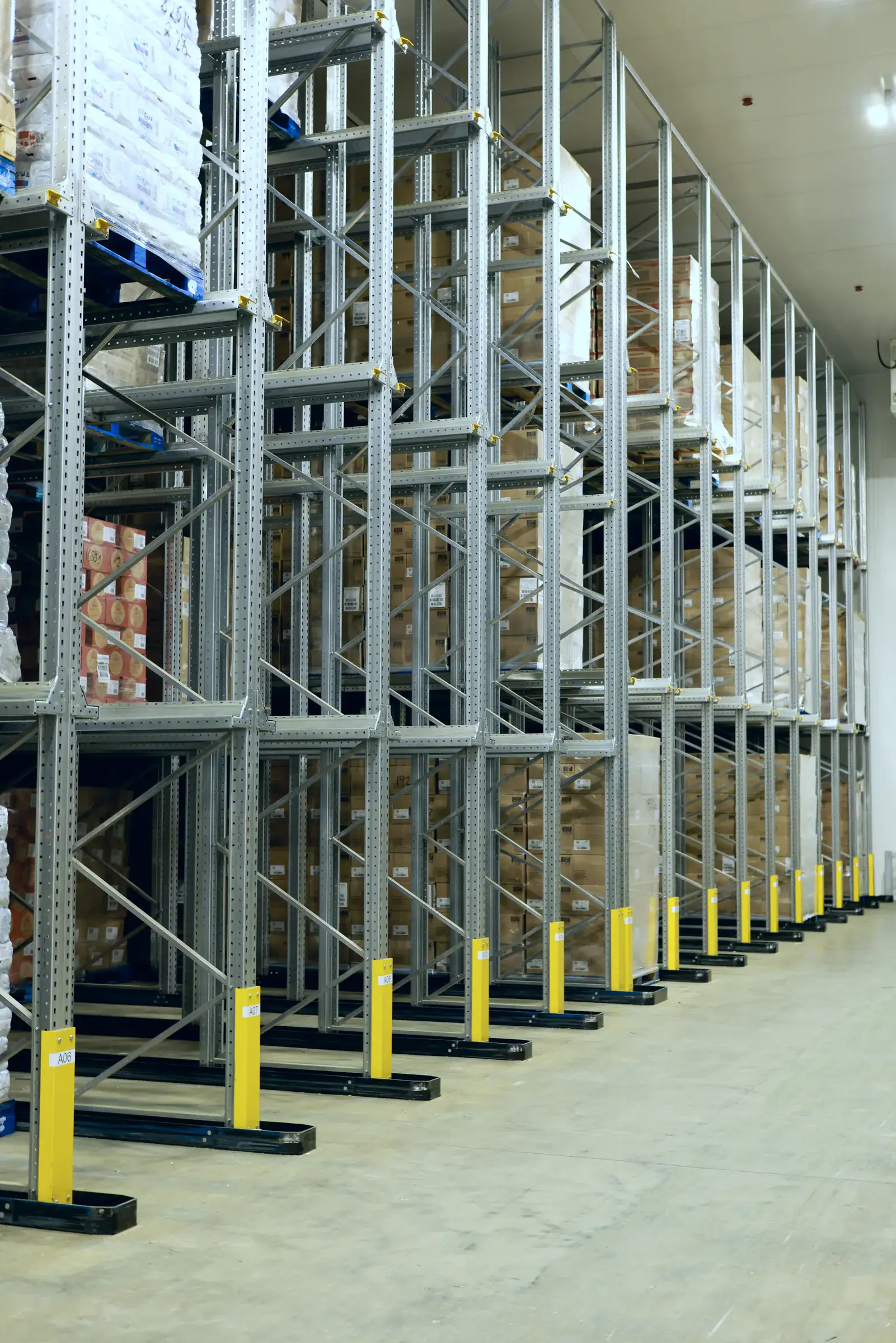
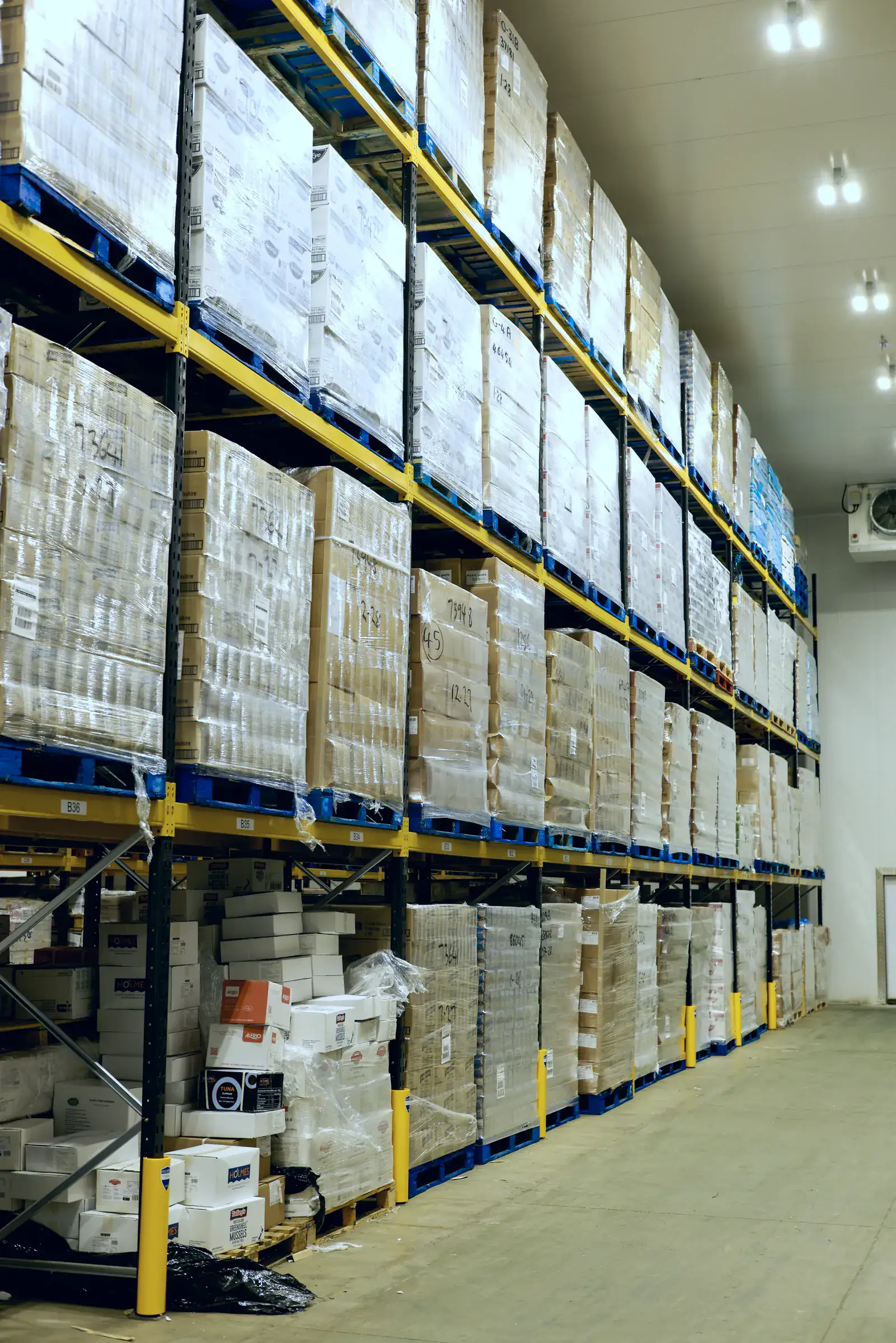
Where the pallet shuttle fits, by sector.
The shuttle is the product we are asked about most, and the one most often specified where it does not pay. The deciding number is pallets per SKU, in every sector.
| Sector | Where it pays | Rotation mode | Where it does not |
|---|---|---|---|
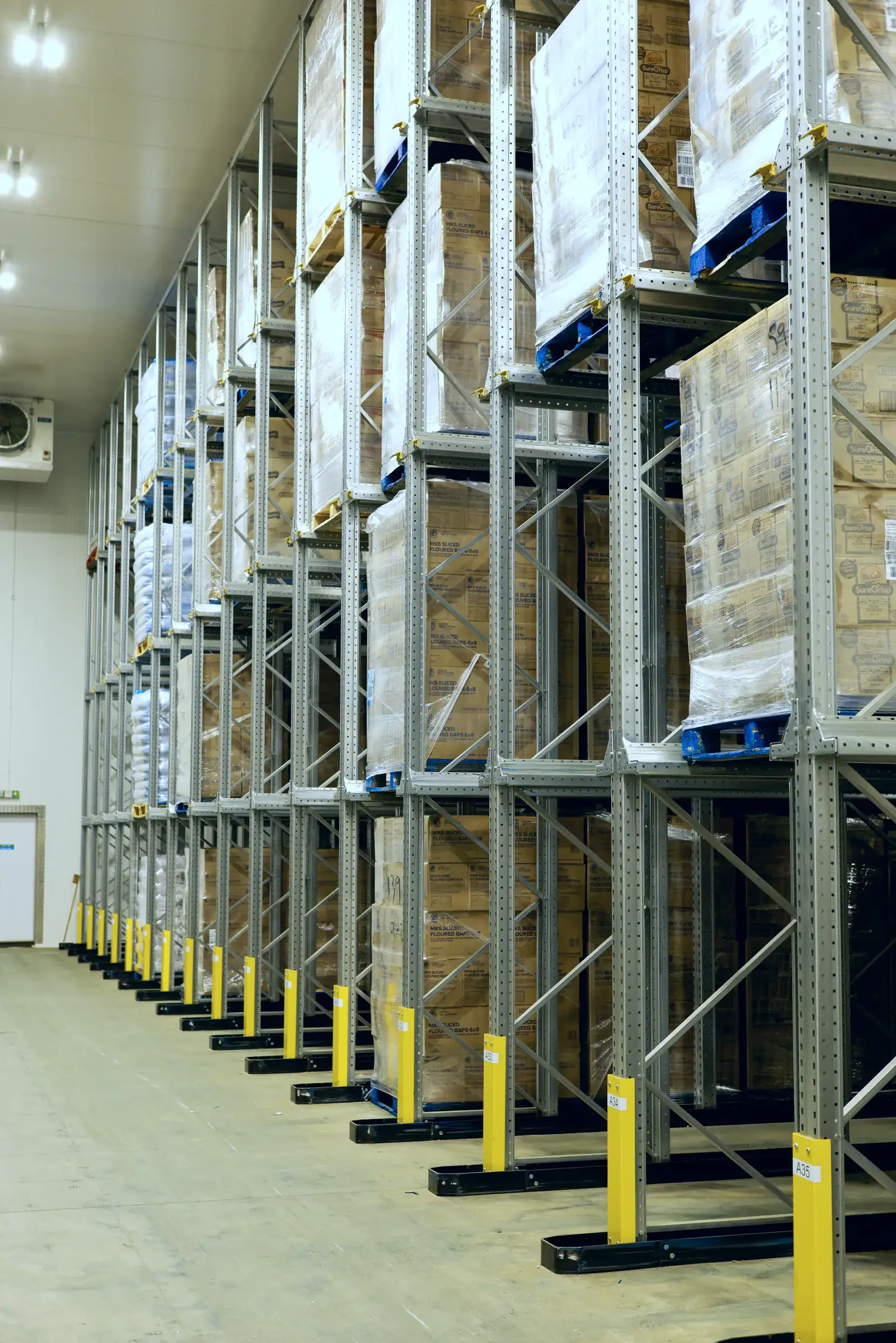
| Cold storage and freezer | Deep lanes cut refrigerated volume and keep trucks out of the cold | FIFO for date coded stock, LIFO for bulk | Below −25°C with a four-way unit |
| Food and drink | High volume single SKU runs, dairy, beverages, packaged goods | FIFO, set in software | Wide ranges held one or two pallets deep |
| Agricultural and dairy processing | Seasonal peaks of a few products in quantity | LIFO for bulk, FIFO for dated | Mixed small-quantity stock |
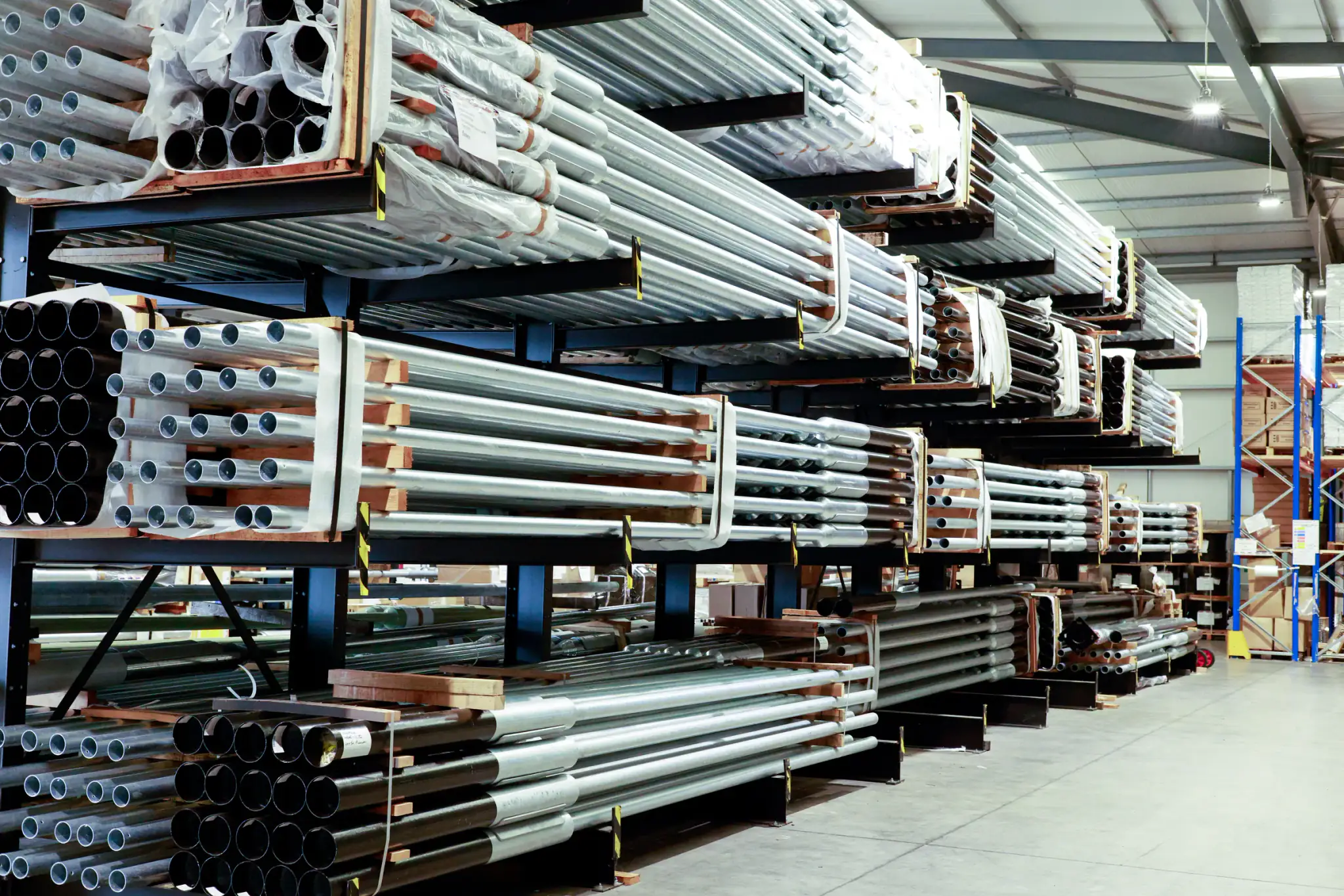
| Manufacturing | Finished goods and raw material buffers beside the line | Either, per lane | Long stock, coil and anything not palletised |
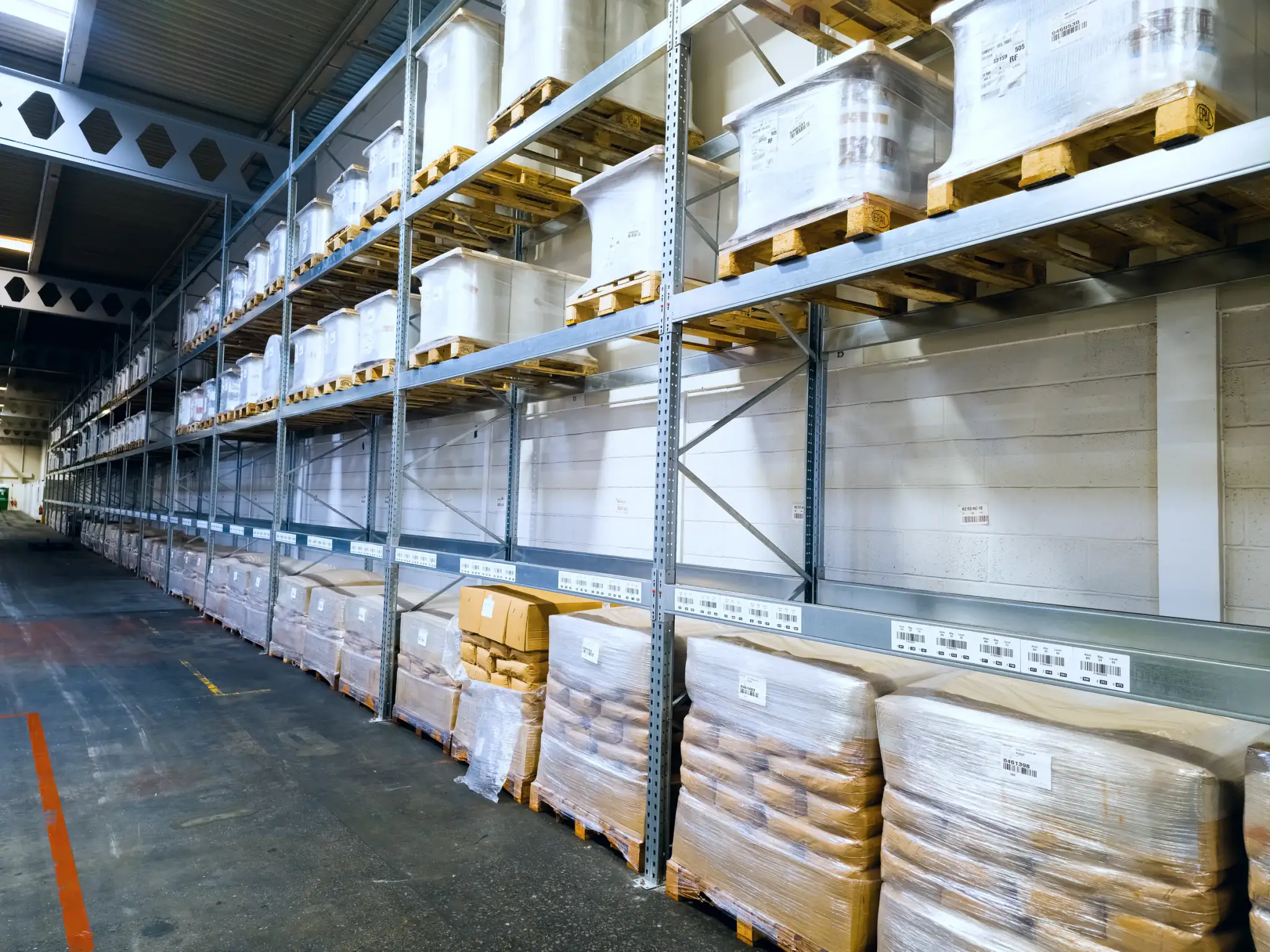
| Distribution and 3PL | Near-capacity sites where relocation is not viable | Selectable per client | Case picking bottlenecks |
Pallet shuttle fit by sector. Typical cases; your stock profile decides.
- Cold storage and freezer
- Deep lanes cut refrigerated volume and keep trucks out of the cold
- Food and drink
- High volume single SKU runs, dairy, beverages, packaged goods
- Agricultural and dairy processing
- Seasonal peaks of a few products in quantity
- Manufacturing
- Finished goods and raw material buffers beside the line
- Distribution and 3PL
- Near-capacity sites where relocation is not viable
Specifications, duty cycle and the honest limits are on pallet shuttle systems. To compare against static options first, use the racking system comparison.
Case studies by sector.
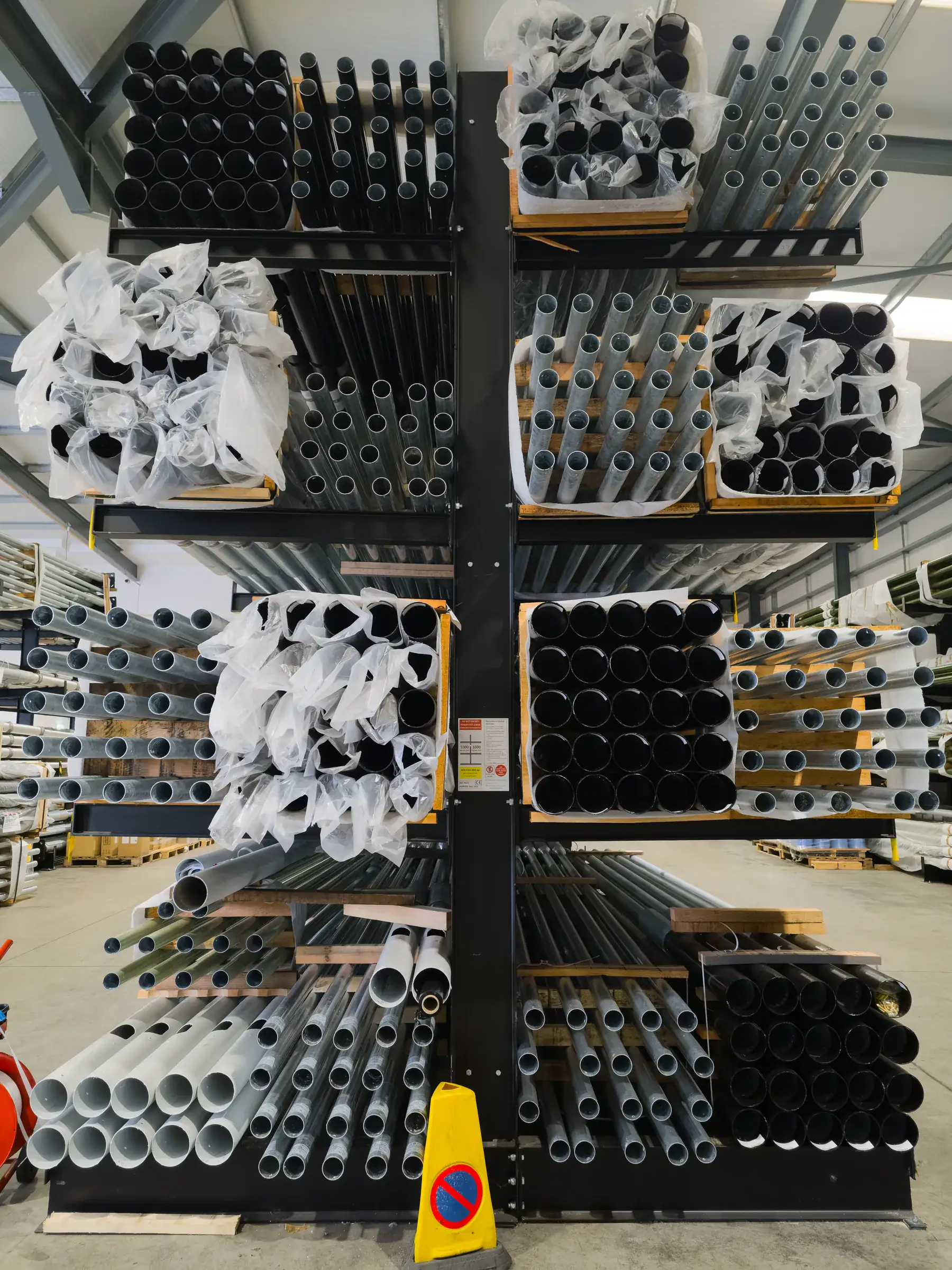
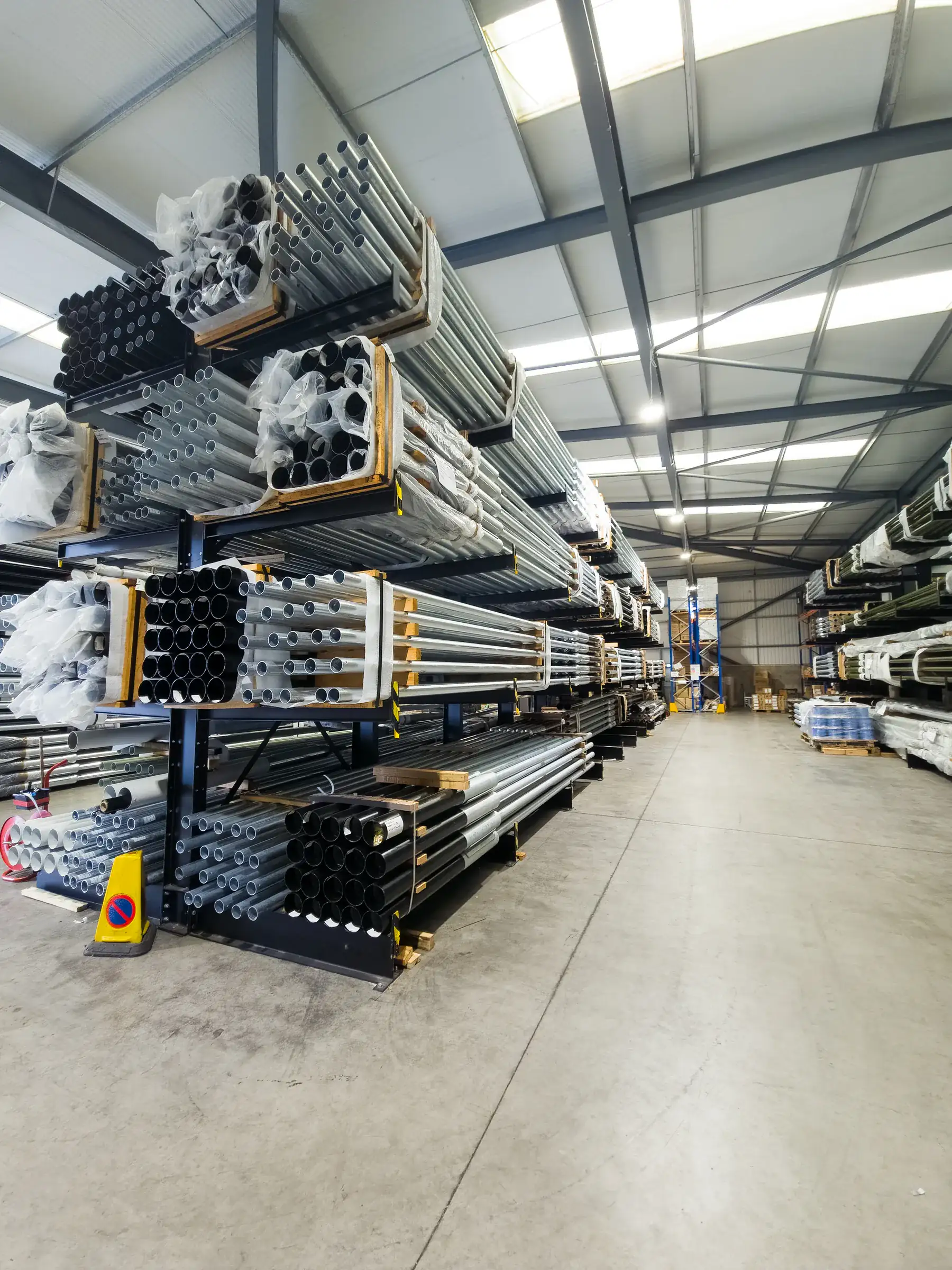
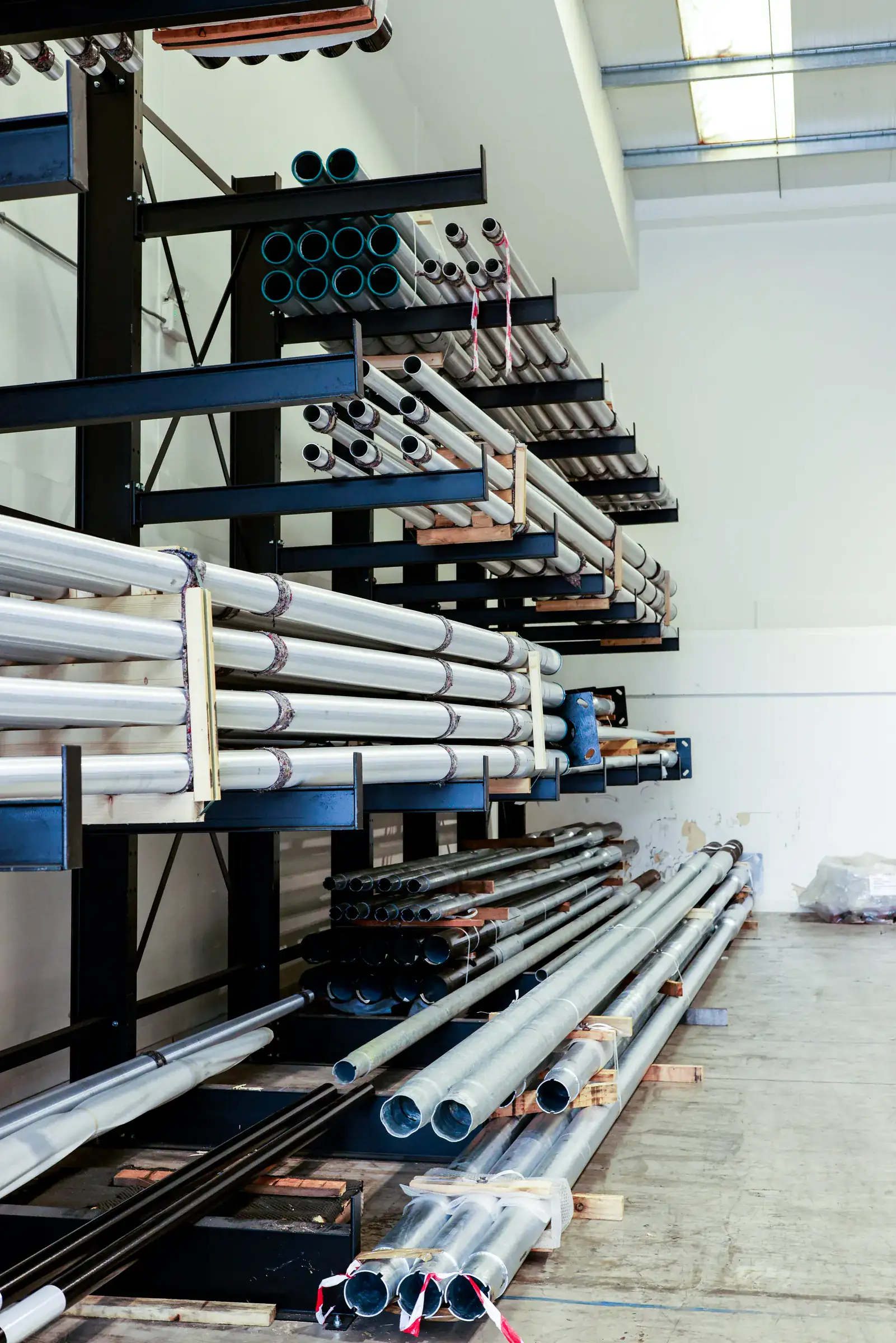
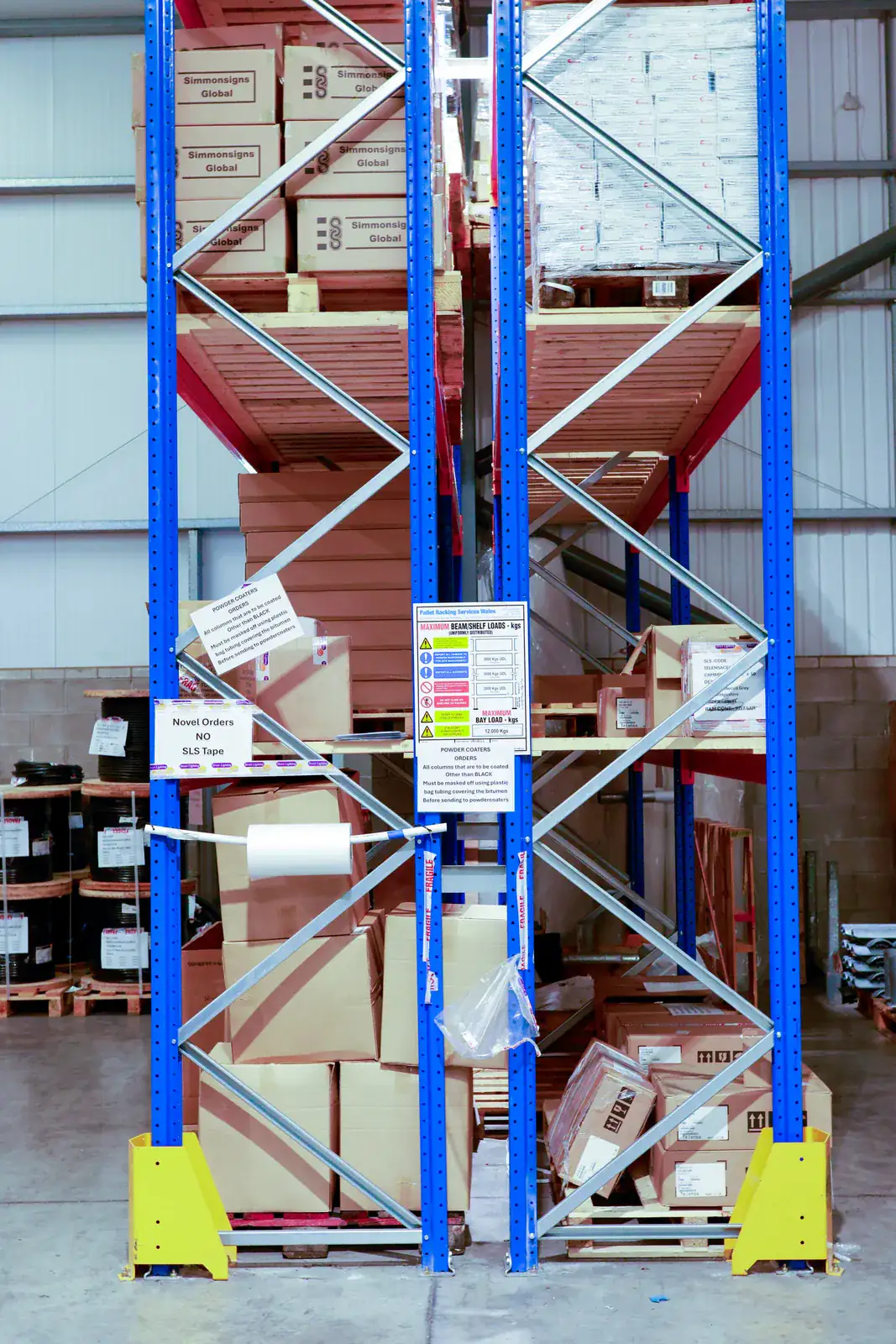
Each one leads with the numbers: positions before and after, floor recovered and how long it took.
Manufacturing and engineering
Distribution and logistics
Industry questions.
Mostly three: cold storage and food, manufacturing and engineering, and distribution and logistics. Between them they cover the agri-food cold chain in West Wales, the steel, metals and engineering base along the M4 corridor, and the distribution sites around Cardiff, Newport, Bridgend and the border.
Less than the stock profile does. Pallets per SKU, rotation rules, truck fleet and building height decide the system. The industry mostly decides the constraints: temperature in a cold store, crane access and long stock in a workshop, live dispatch and lease length in a distribution centre.
No, but cold storage is where it pays hardest, because every cubic metre is expensive to refrigerate. It also suits manufacturing buffers of finished goods and distribution sites with high pallets per SKU. It is the wrong answer anywhere stock is held one or two pallets per product.
Yes. Most installations are phased around live production or dispatch, including out of hours and weekend working, and cold store work is planned around defrost cycles and door management. Risk assessments and method statements are agreed before anyone is on site.
There are six published case studies: four in manufacturing and engineering and two in distribution and logistics. For cold stores, the cold storage page sets out the temperature ratings and the energy argument. Every photograph on this site is a real installation in Wales.
Book the survey. Decide afterwards.
Measured drawing, CAD layout, capacity figure and a priced quotation, written around the constraint your sector puts on the building. No charge and no obligation.