I need more capacity
Same building, more pallet positions. Height, aisle width and system choice usually change before the building has to. A free survey measures what you have and prices every honest option, including phasing.
Start here
Book something
Strongest fit
Free to use
Buy direct
Shop departments
More pallets in the building you already have. Racking, pallet shuttles, mezzanine floors and inspections across Wales and the West, from Pallet Racking Services Wales since 2009.
Most visitors arrive with one of three problems. Pick yours and the route decides who picks it up and what we bring to site.
Same building, more pallet positions. Height, aisle width and system choice usually change before the building has to. A free survey measures what you have and prices every honest option, including phasing.
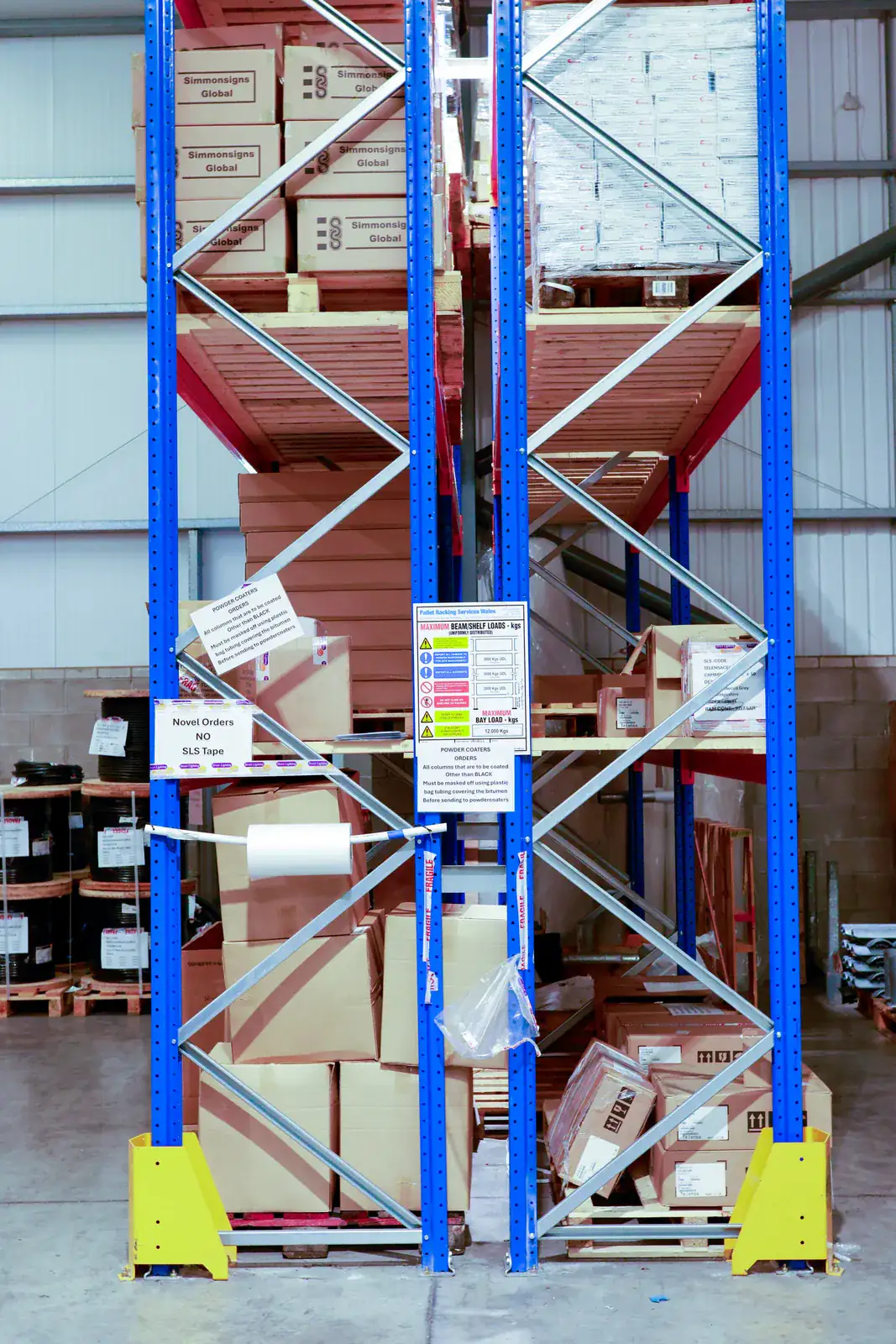
Racking is work equipment, and the duty to inspect it is yours. An annual expert inspection produces a short written report with every finding graded, and repairs are quoted from the same visit.
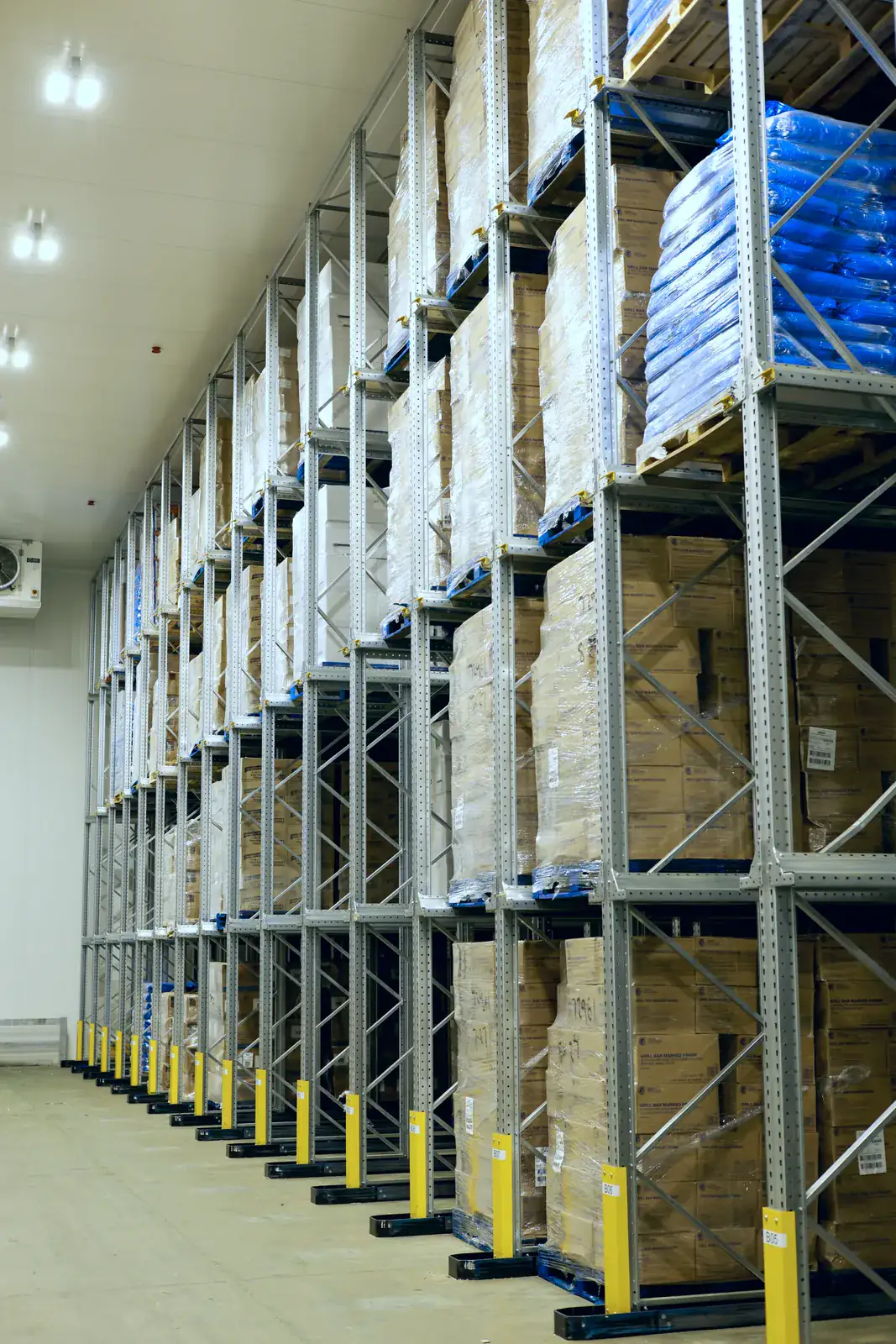
When density is solved but throughput is not, a pallet shuttle runs the lane so the forklift stays at the face. We check whether it pays before anyone mentions a price.
Every product and service on this site does one of four things. Start with the one you need.
Taller layouts, narrower aisles, deep lane systems and mezzanine floors that add positions inside the lease you already have.
Protection where the strikes actually happen, anti-collapse mesh behind pedestrian routes, and staff who can recognise and report damage.
Annual expert inspections, a report your insurer can read, repairs that replace rather than straighten, and records that stand up to an auditor.
Pallet shuttles that keep trucks out of the lane, pallet live and carton live for first in, first out picking, and layouts drawn around flow.
We are the Wales distributor for Spacemaker Systems semi-automated pallet shuttles. A battery powered shuttle runs the lane so the forklift never enters the racking, and stock rotation becomes a software setting rather than a consequence of the steel.
Thousands of stock lines at palletrackingwales.shop, across eight departments, delivered across Wales and the border counties. Designed systems still come through the free survey, because a layout has to be measured before it can be priced.
Brands we stock








Nine racking systems, shelving, mezzanine floors and protection. The decision is nearly always a trade-off between density, selectivity, rotation and the trucks you already run.
Each stage produces the next. Repeated damage in one location is a symptom, not an event, and the cause is usually layout, overloading or truck geometry.
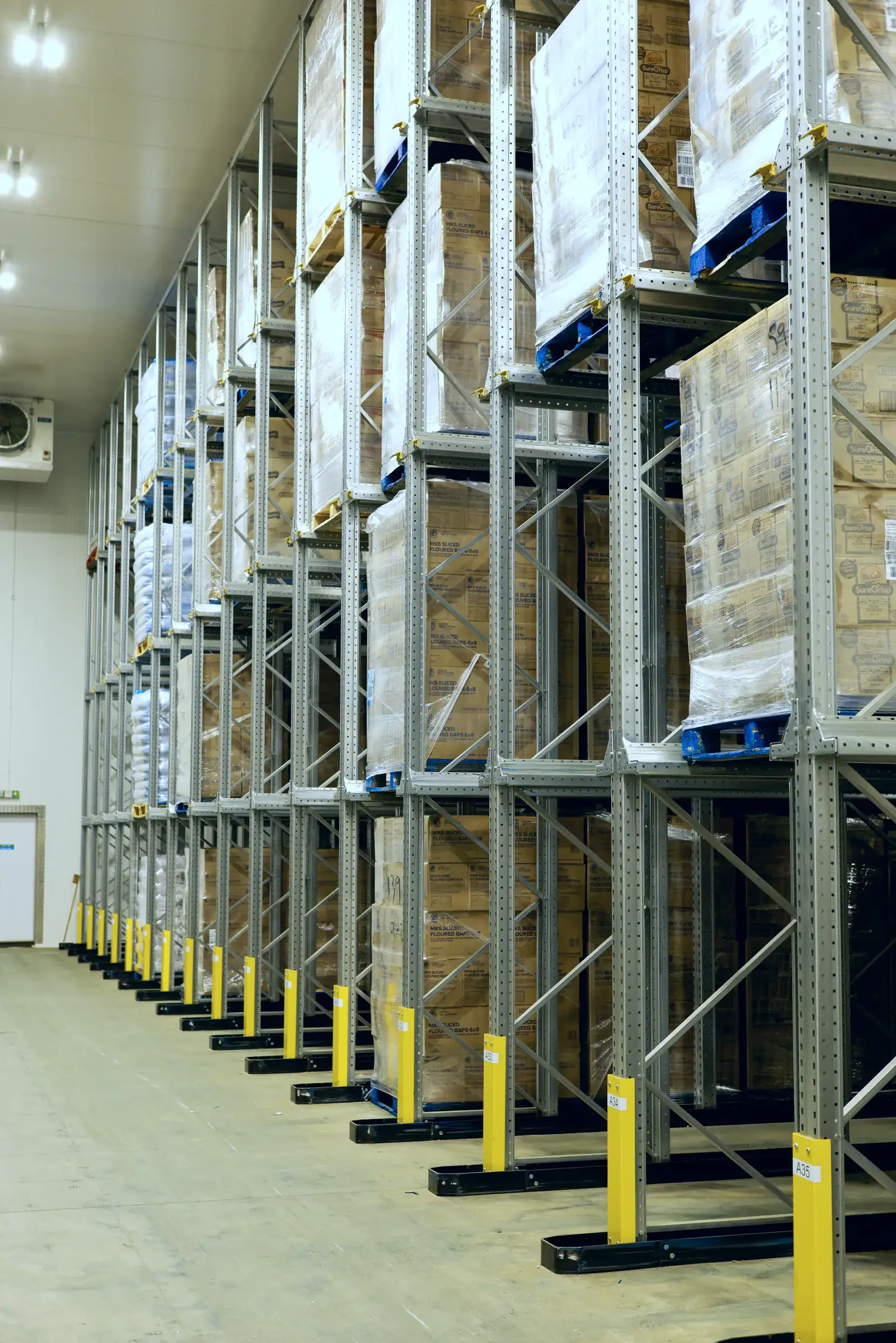
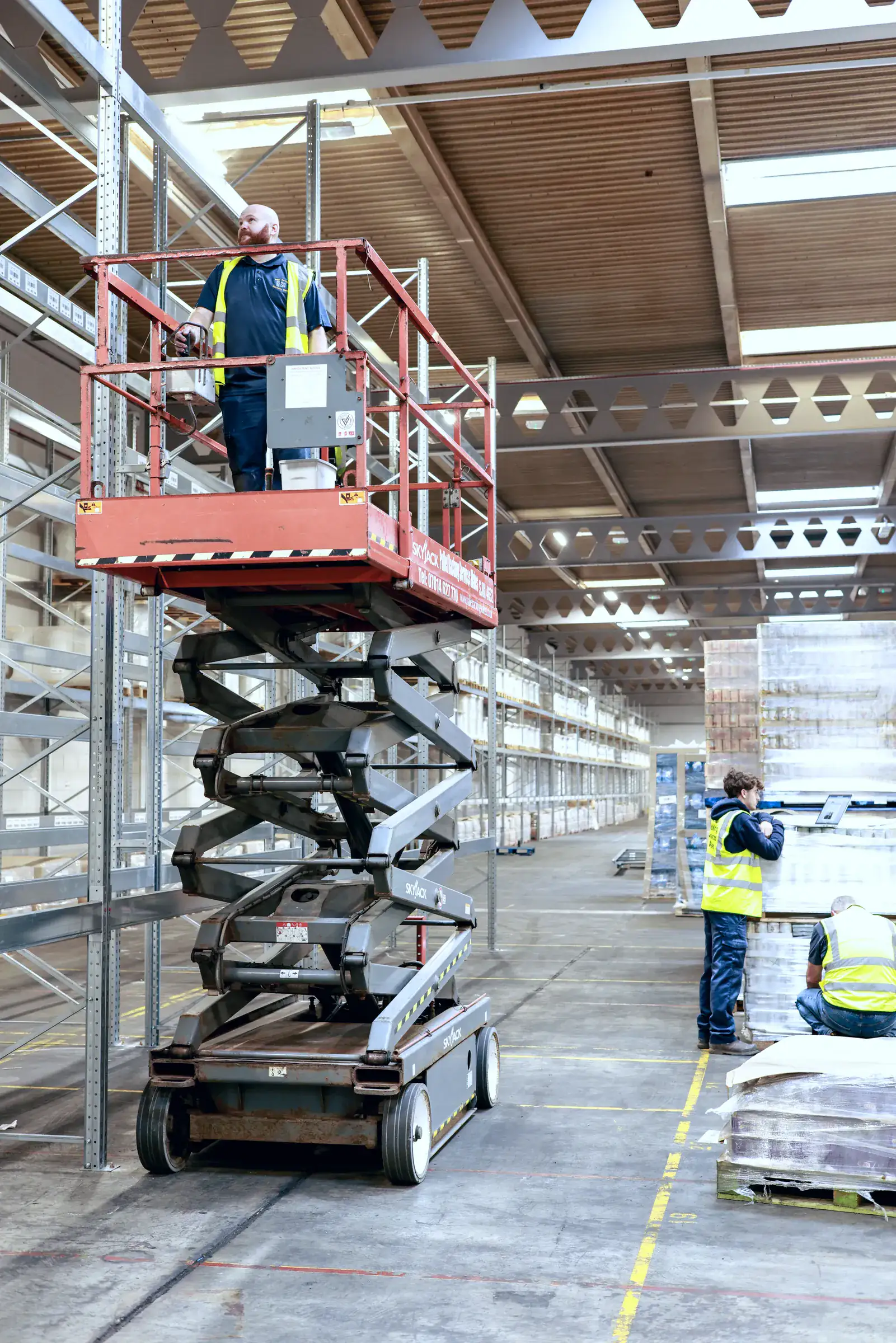
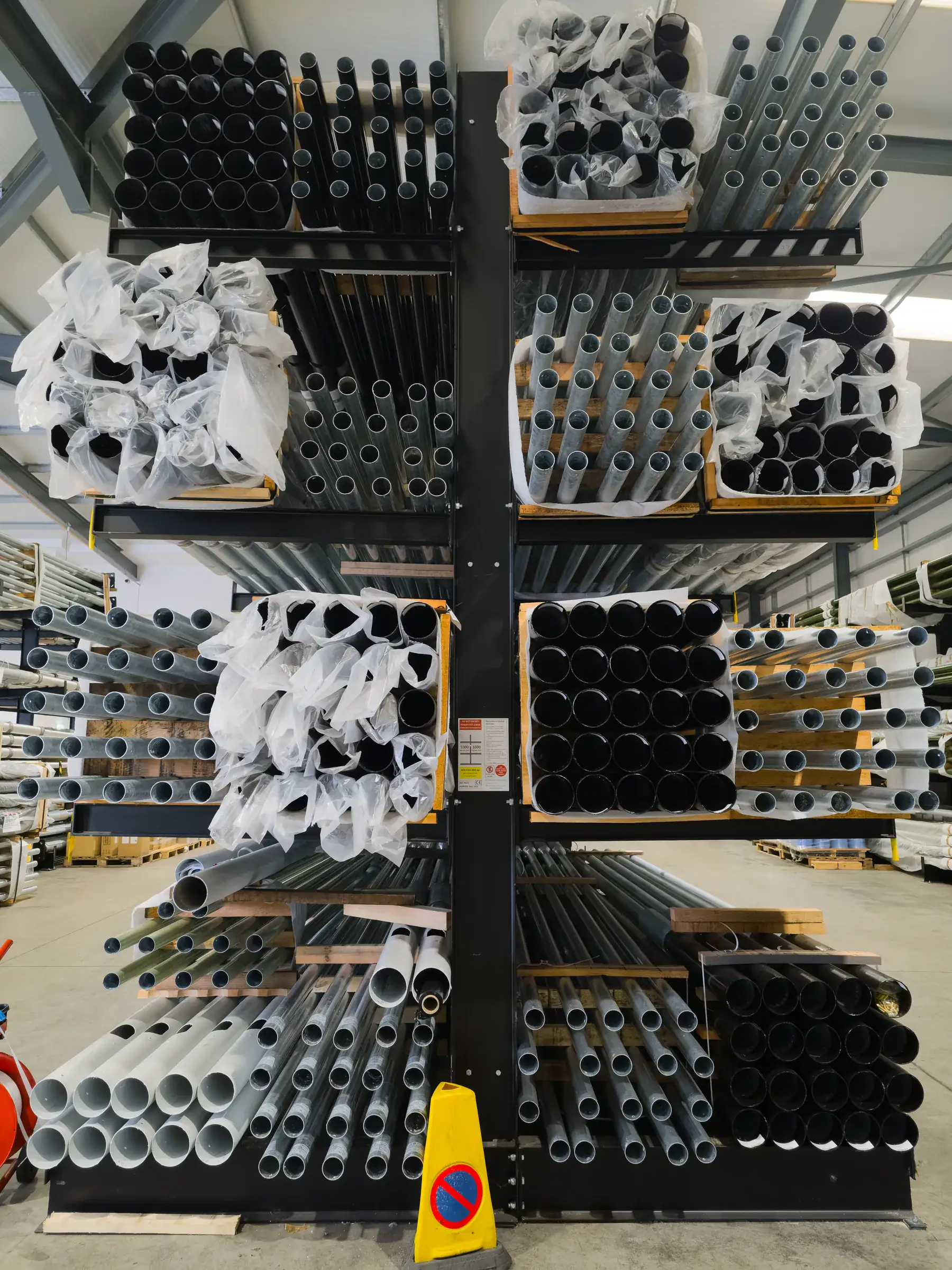
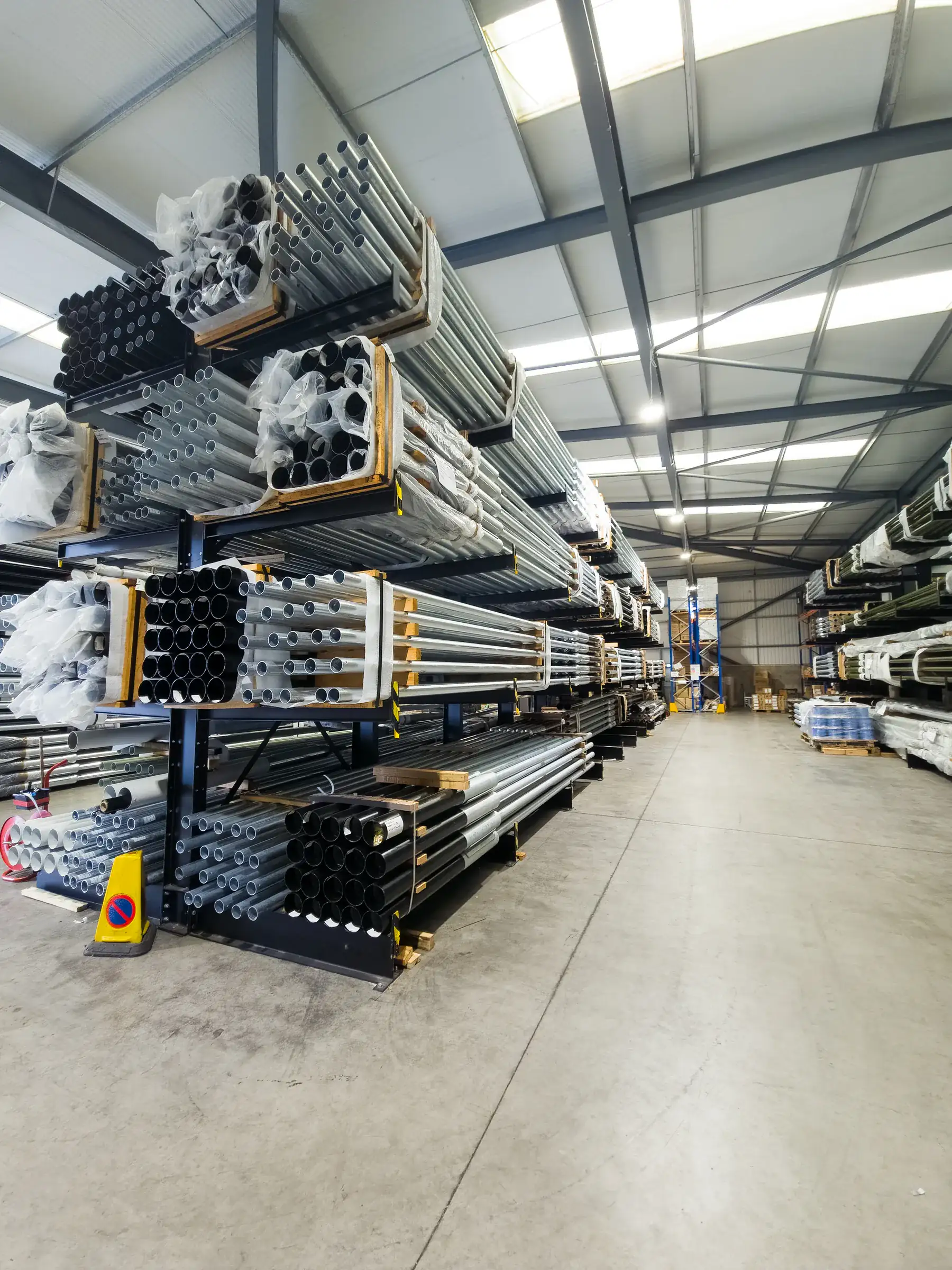
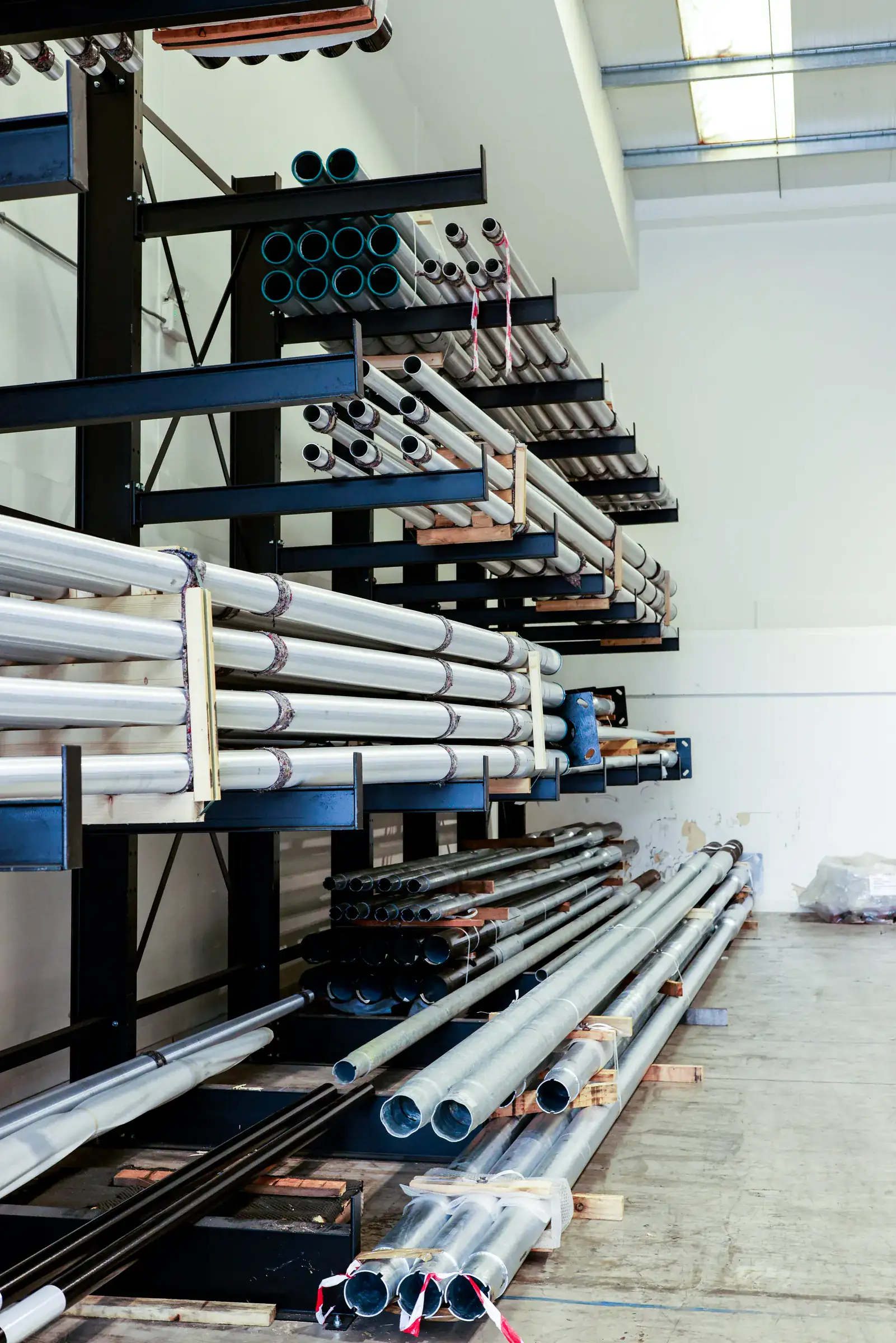
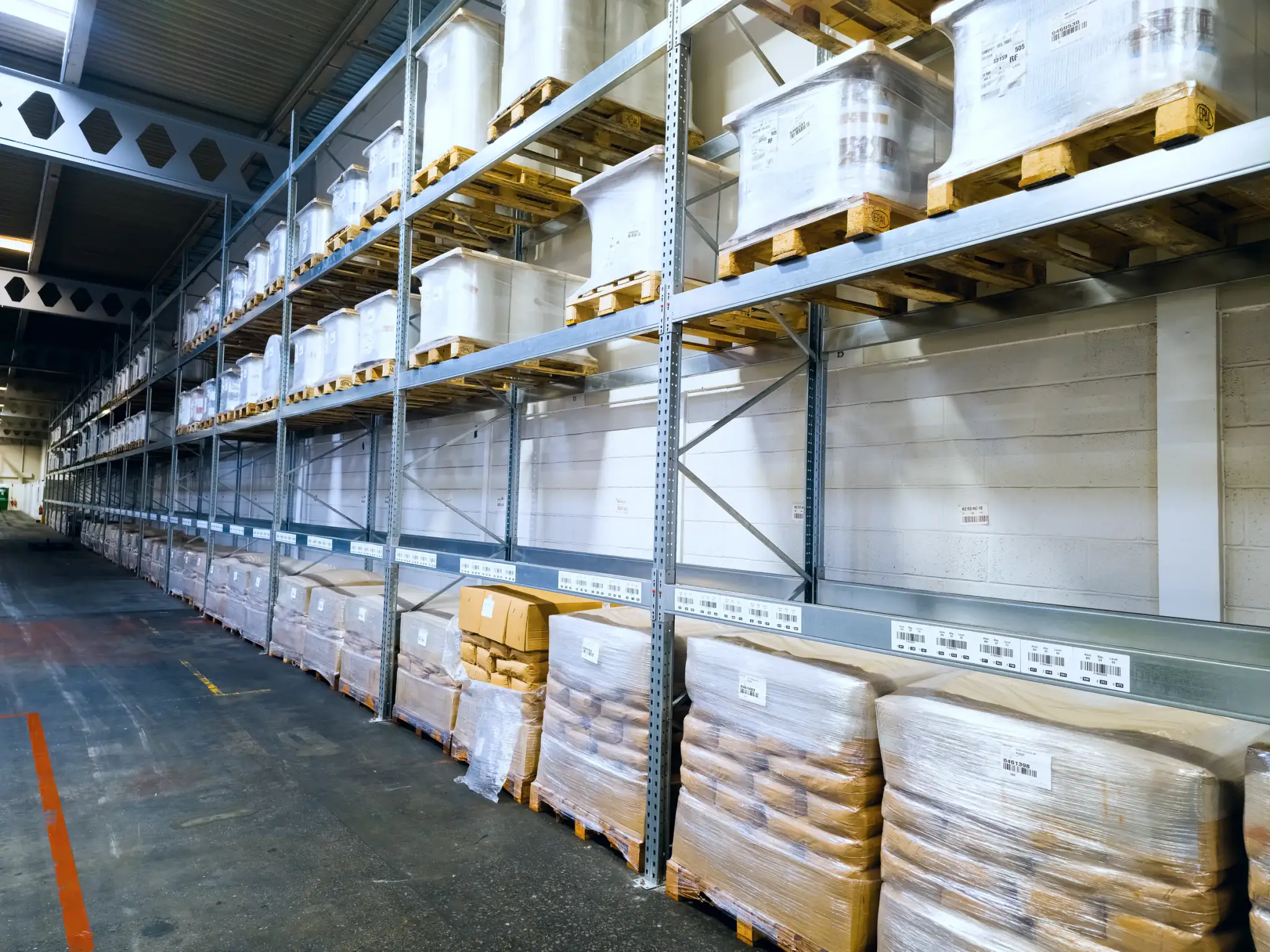
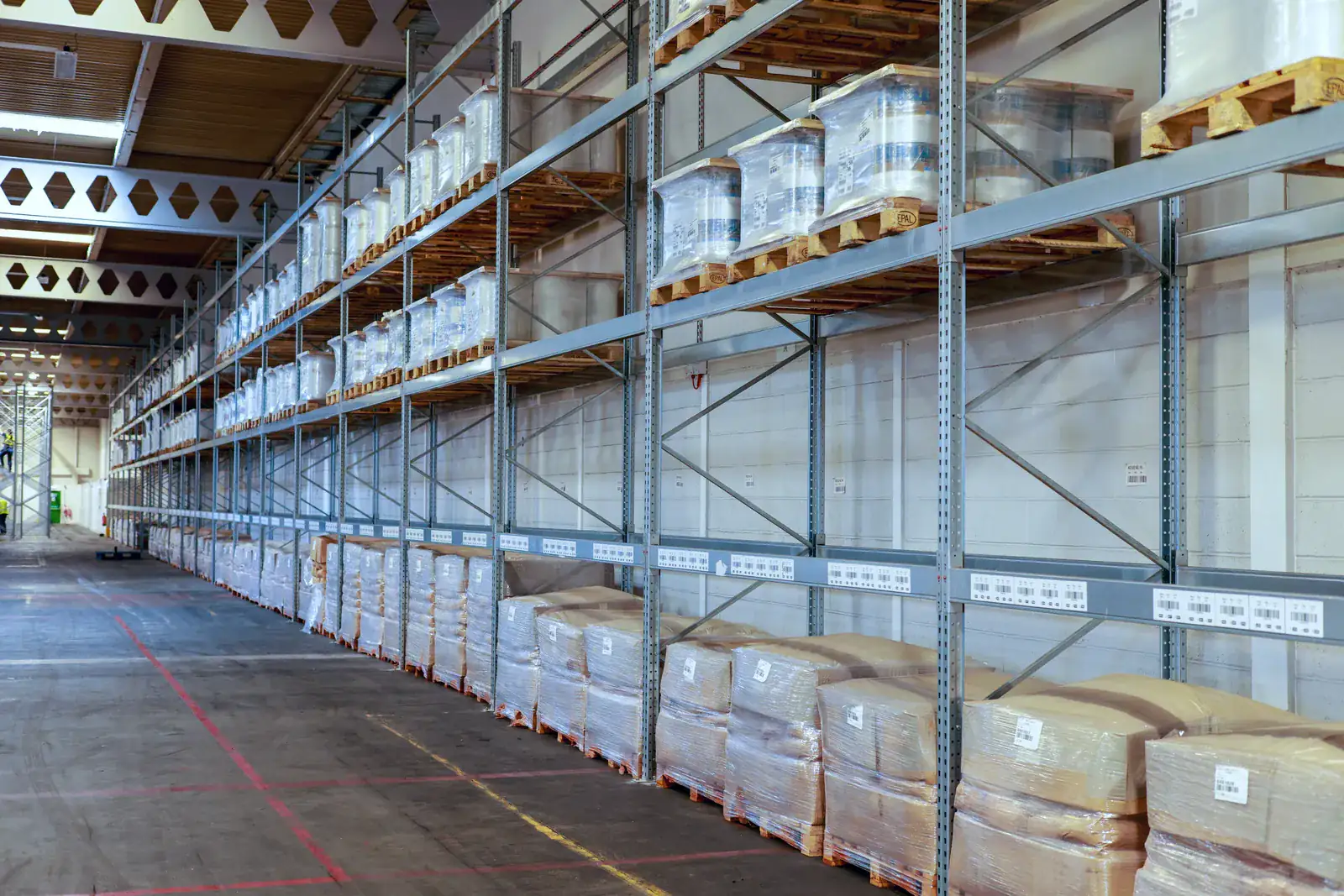
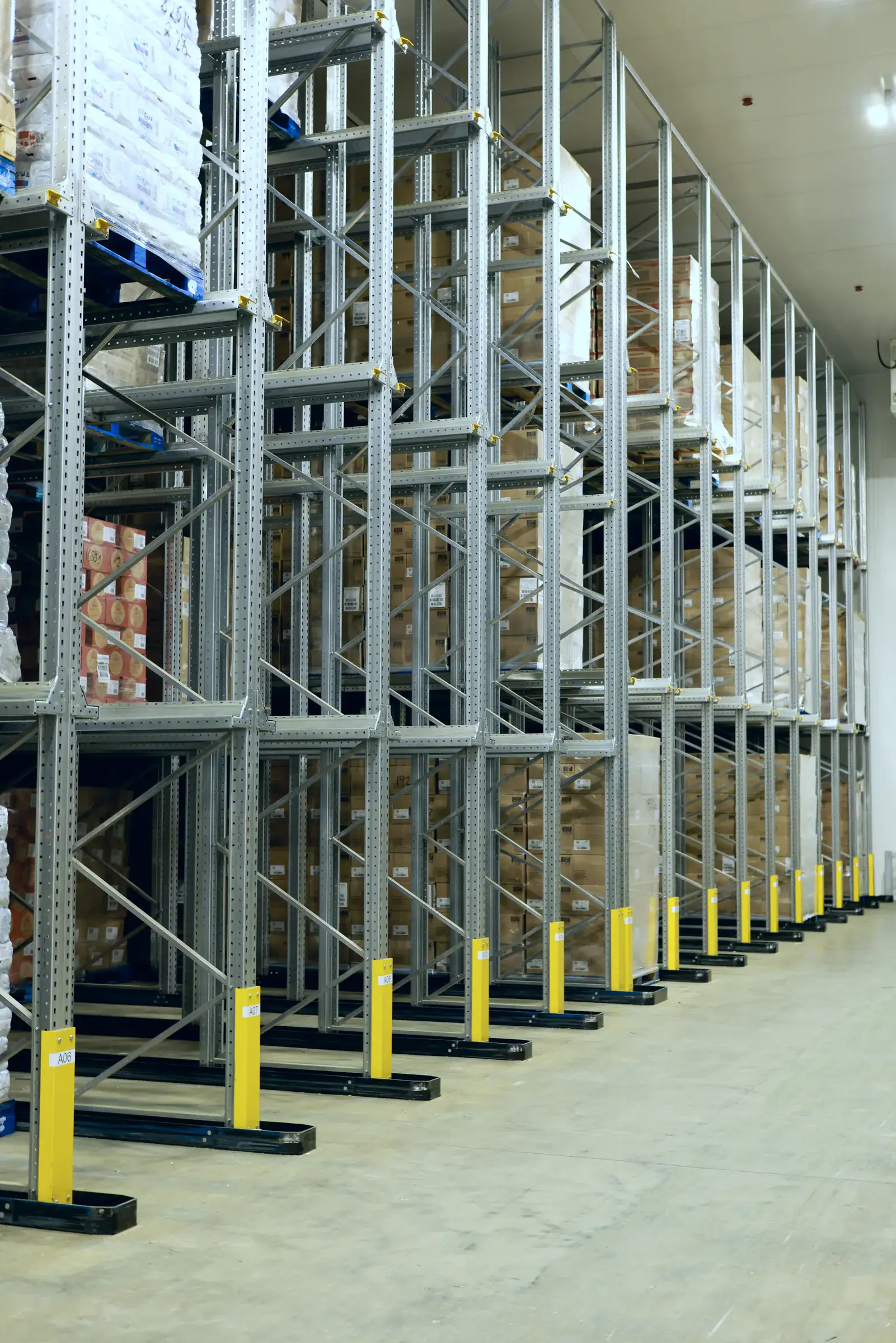
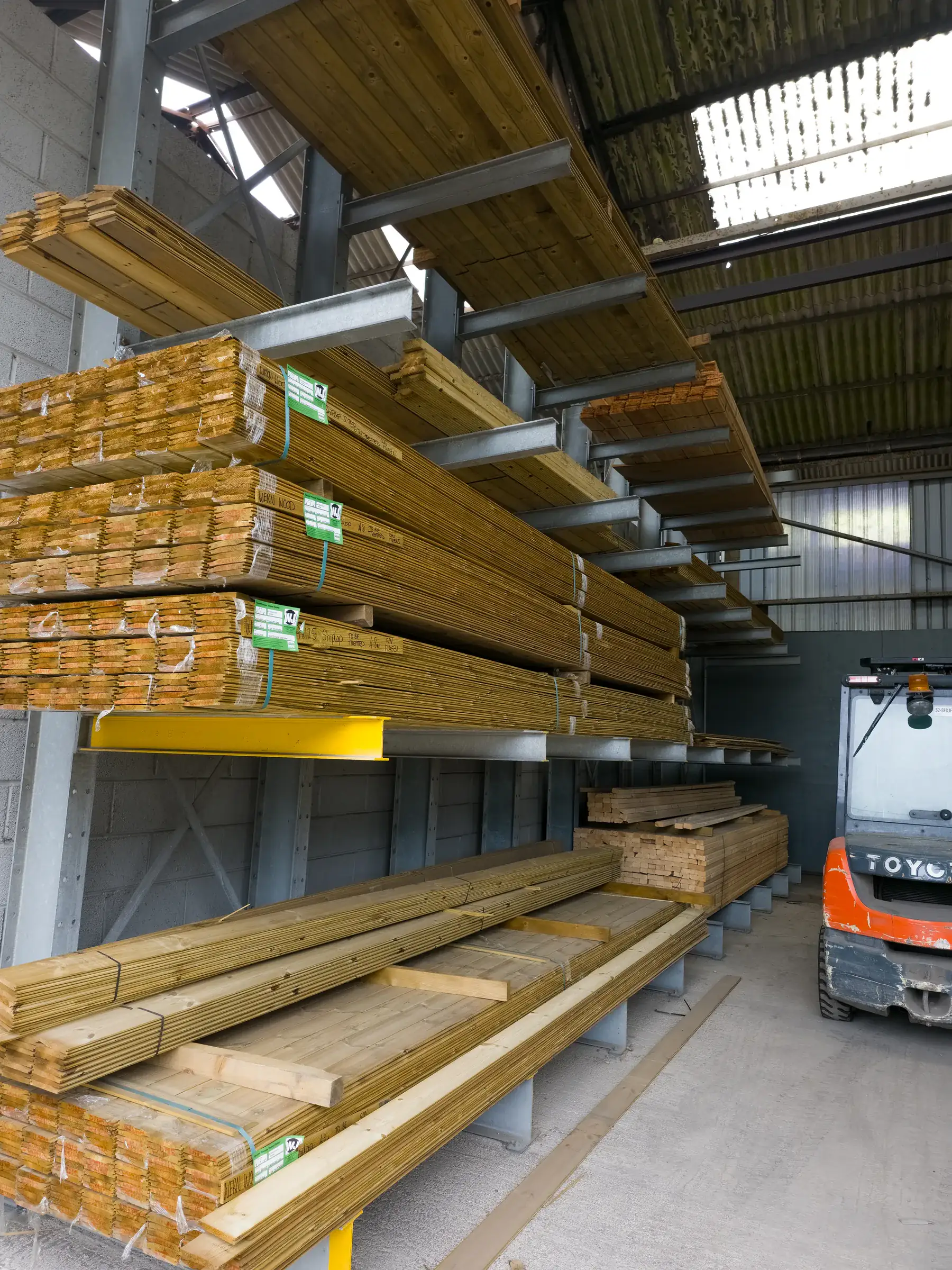
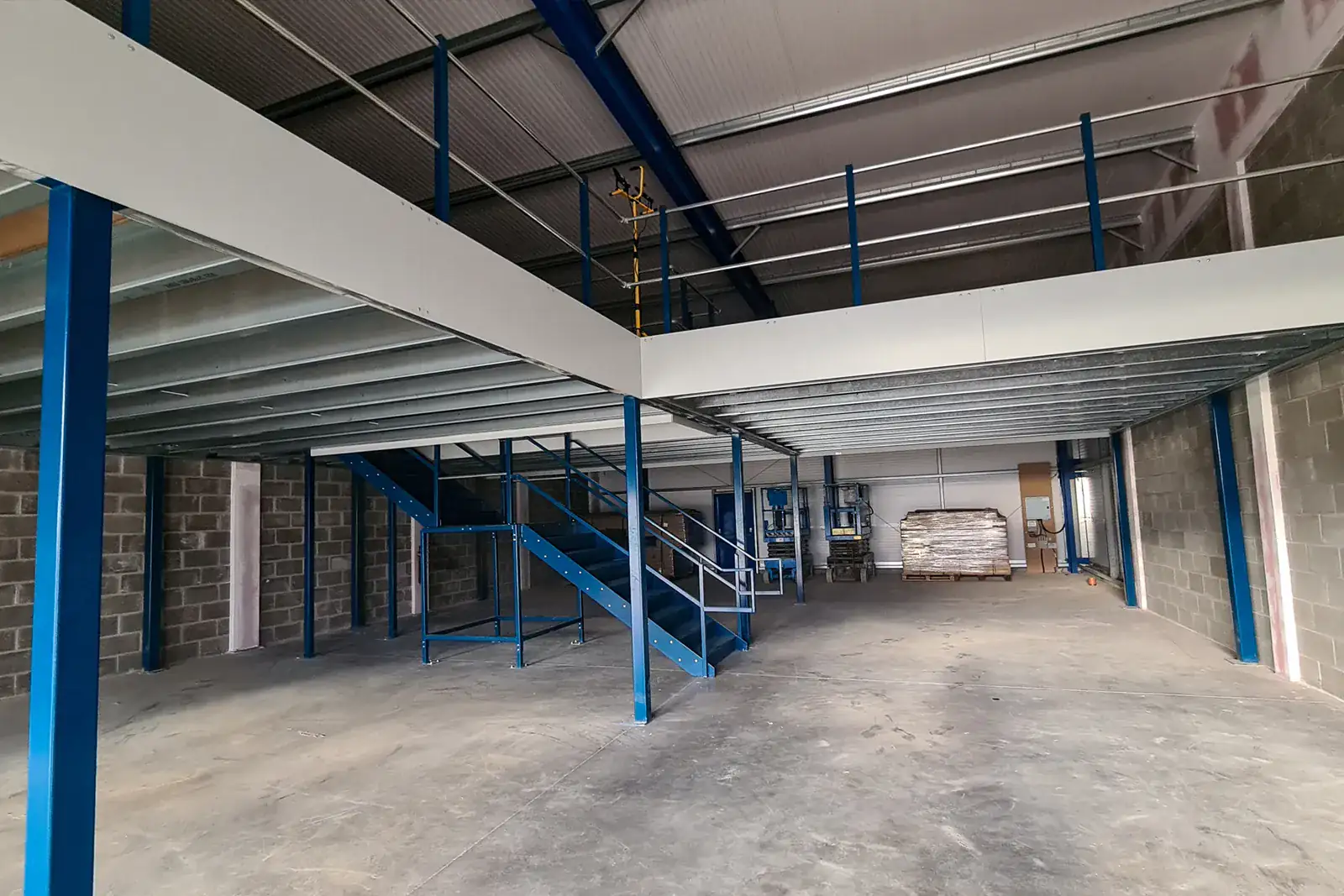
Every photograph on this site is a job we have done, in a real building. Each case study leads with the numbers: positions, floor recovered, how long it took and the downtime avoided.
None of it is stock imagery. Every installation below is in a real building, in Wales.
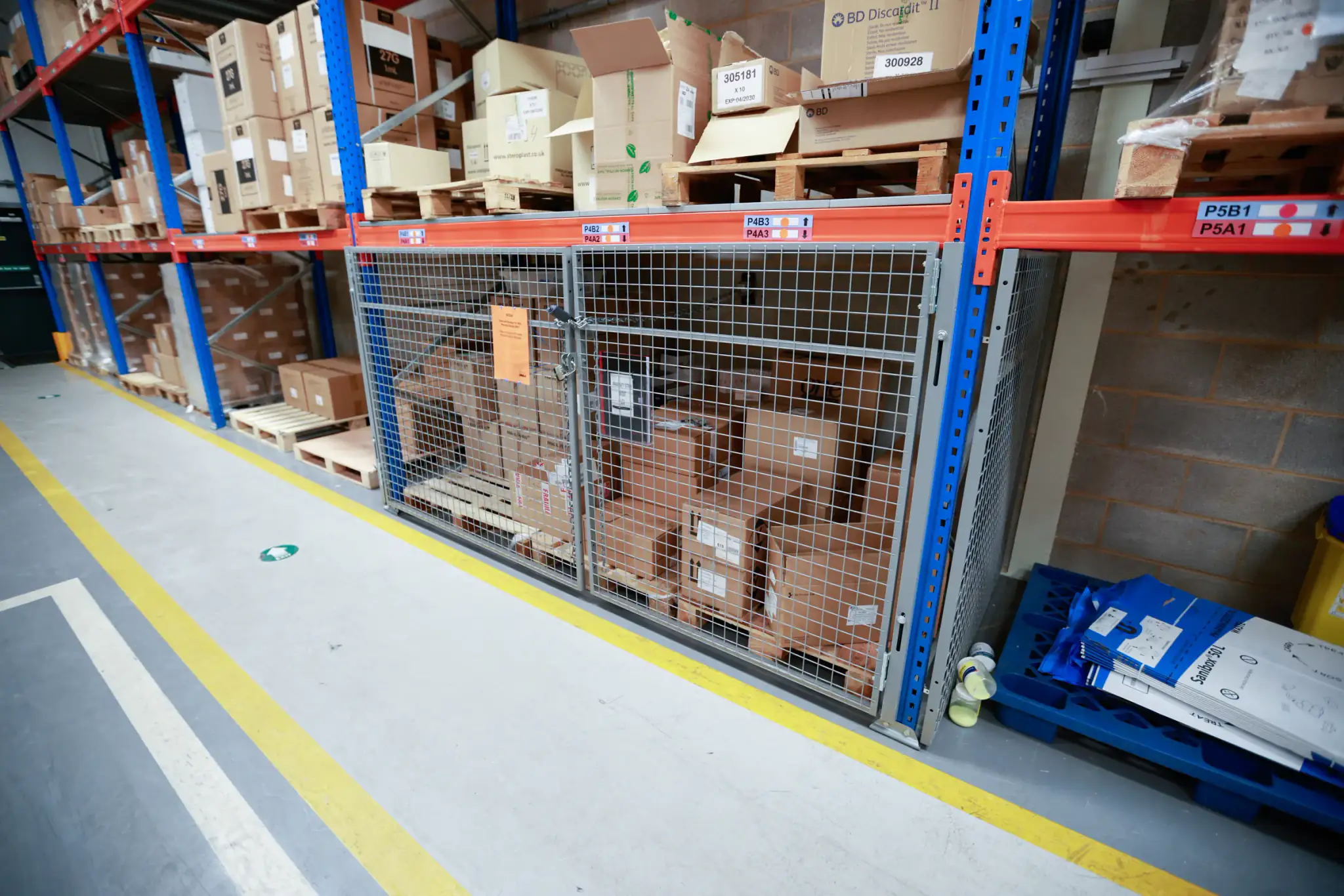
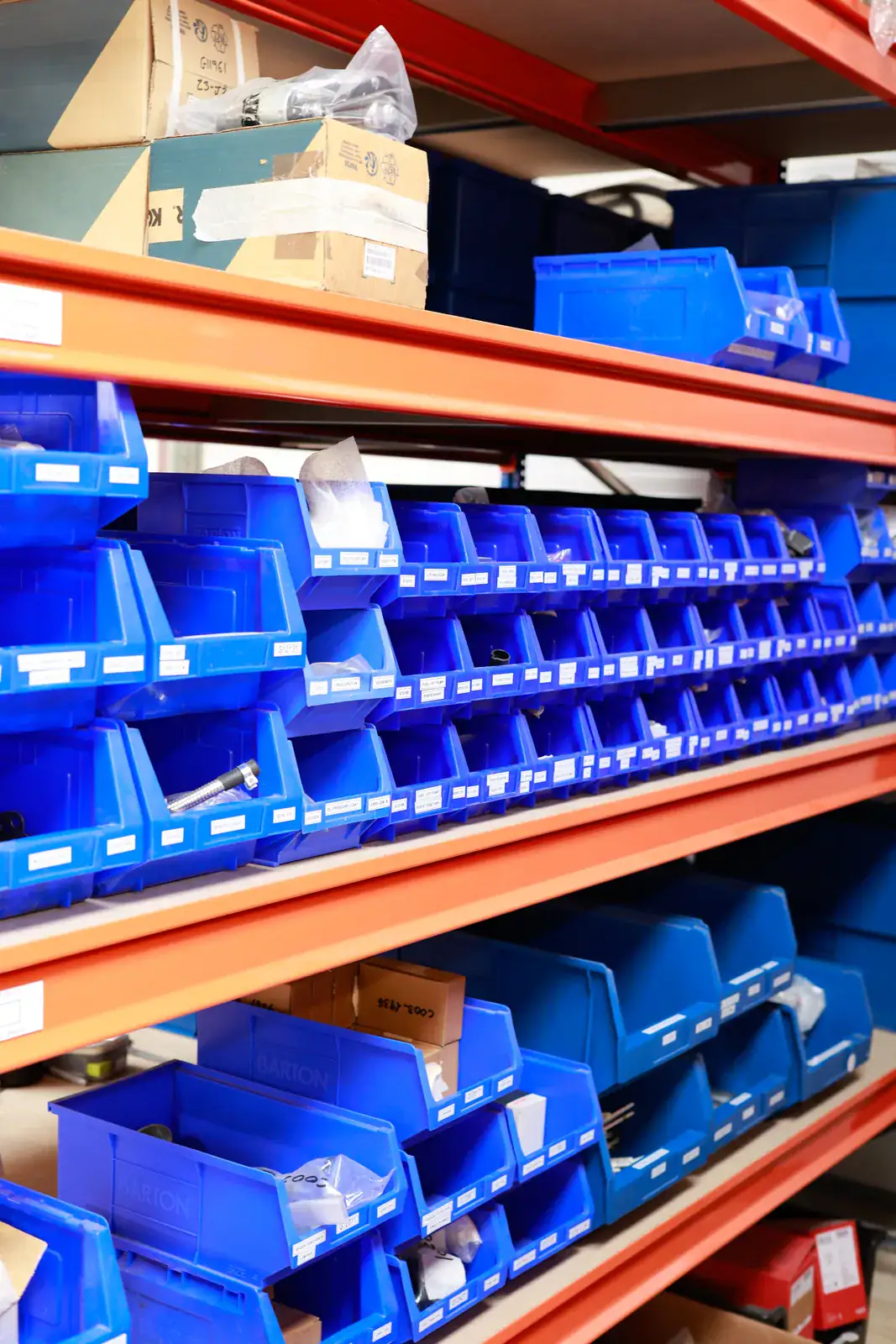
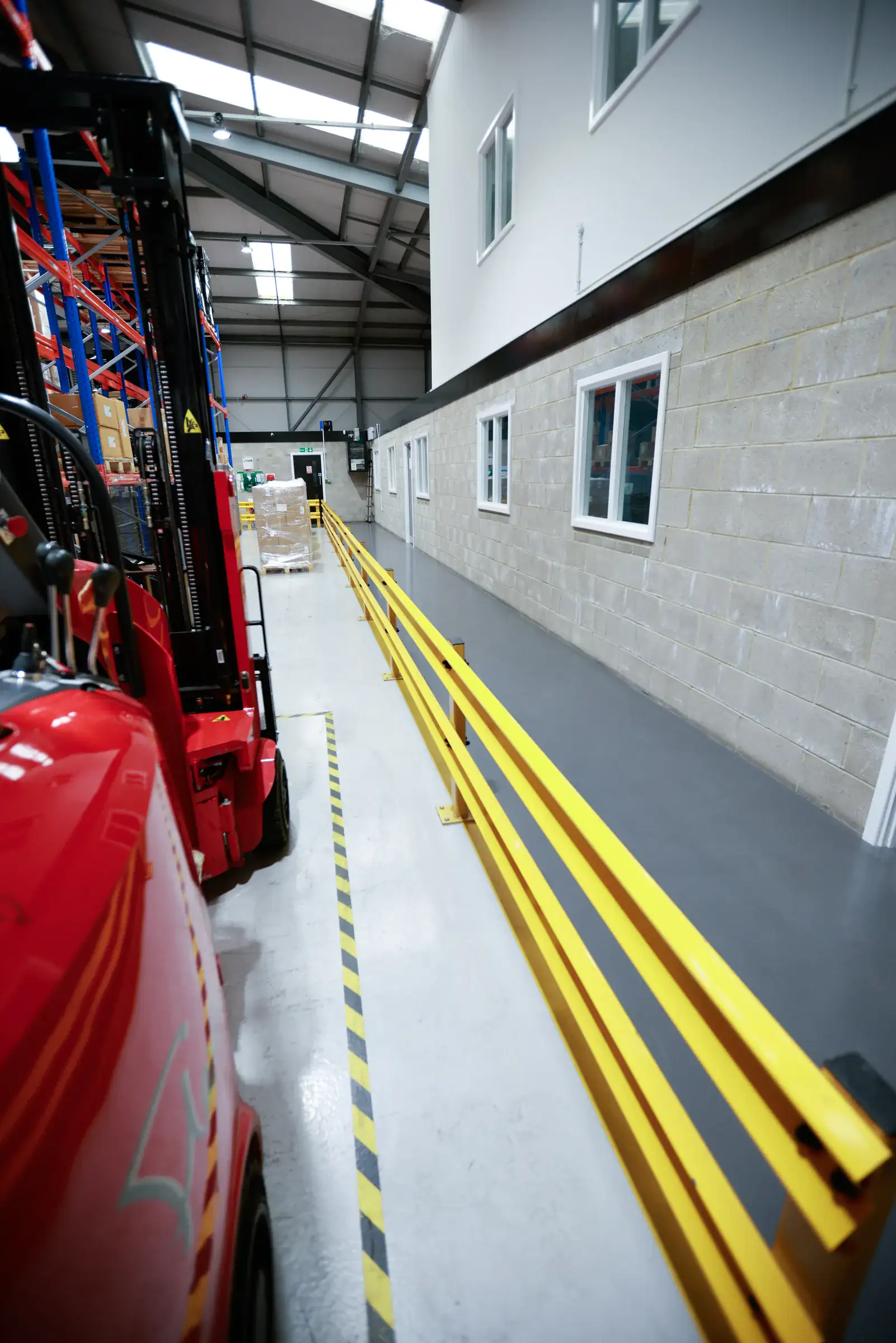
Three directors, one office at Seven Sisters, and installation teams working across South Wales and into the border counties. Pallet Racking Services Wales is independent of any manufacturer, which is the part that matters when components are not interchangeable between brands.
The same people who survey your building are the ones who answer the phone when a beam gets hit two years later.
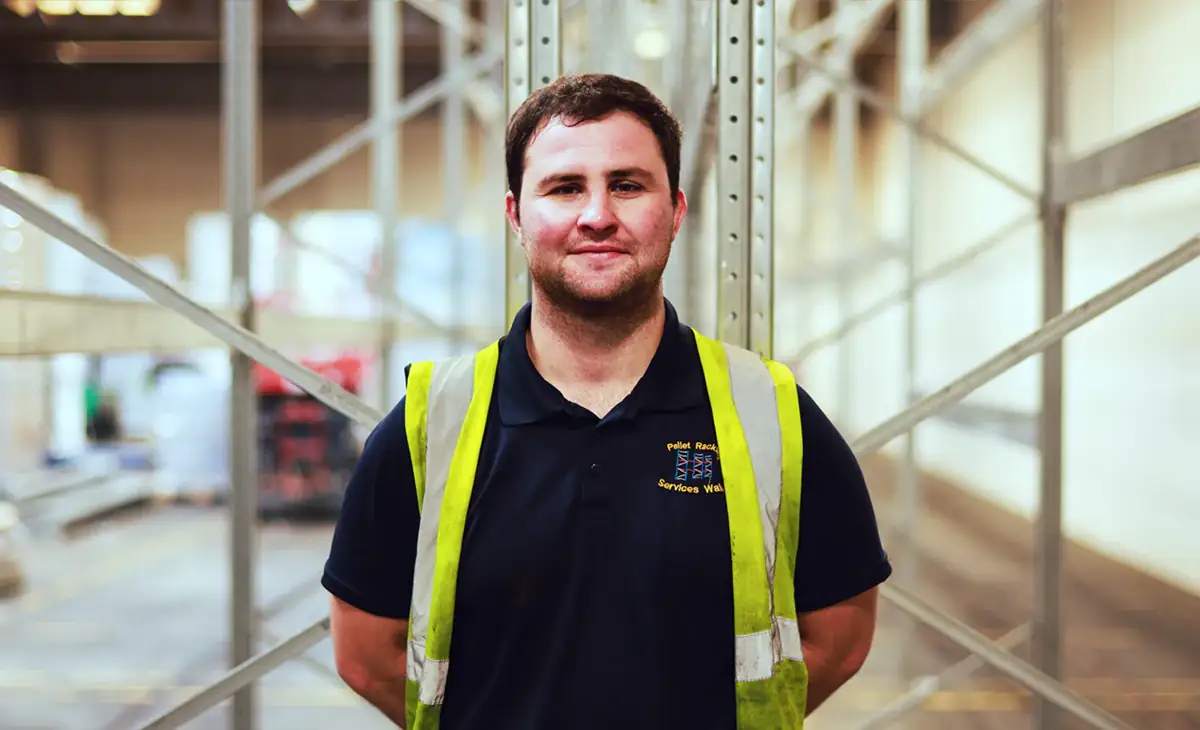
Director
Survey and design. Rhys takes the measured layout, the system selection and the capacity figure that a quotation is built on, and is usually the first person on site.
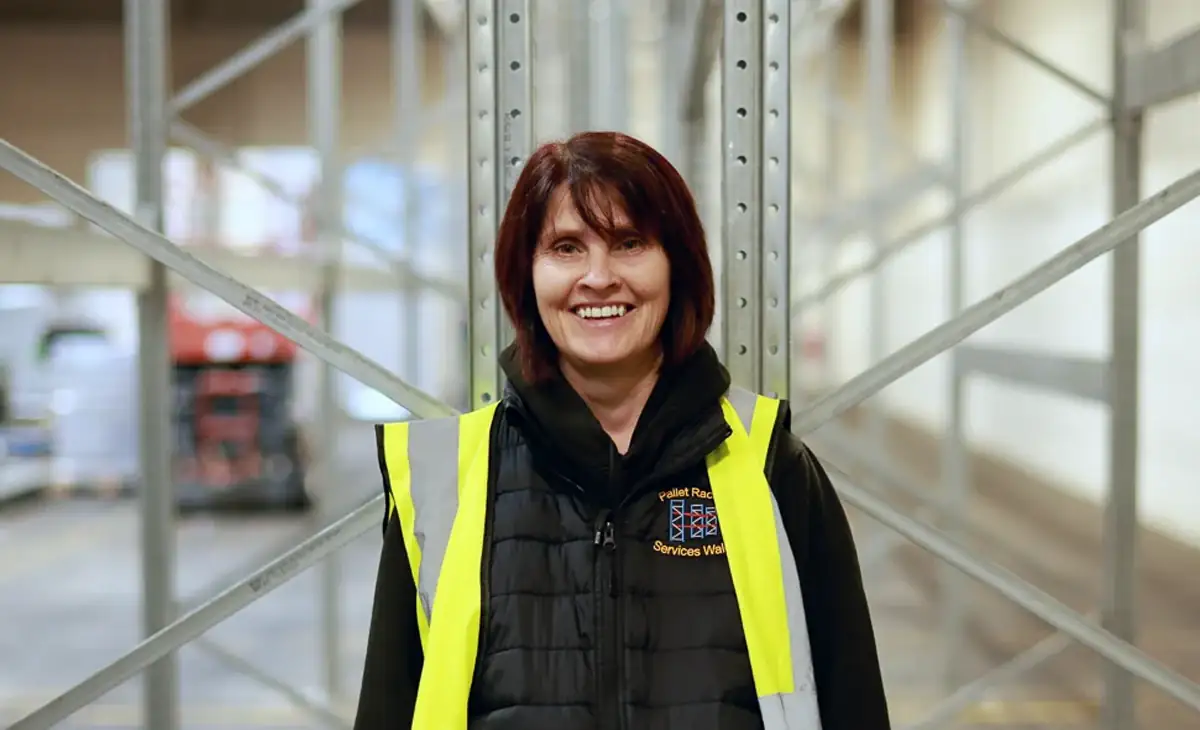
Director
Contracts and client accounts. Rhian coordinates approvals, phasing and the paperwork a live site needs before anyone starts work, from RAMS to building control.
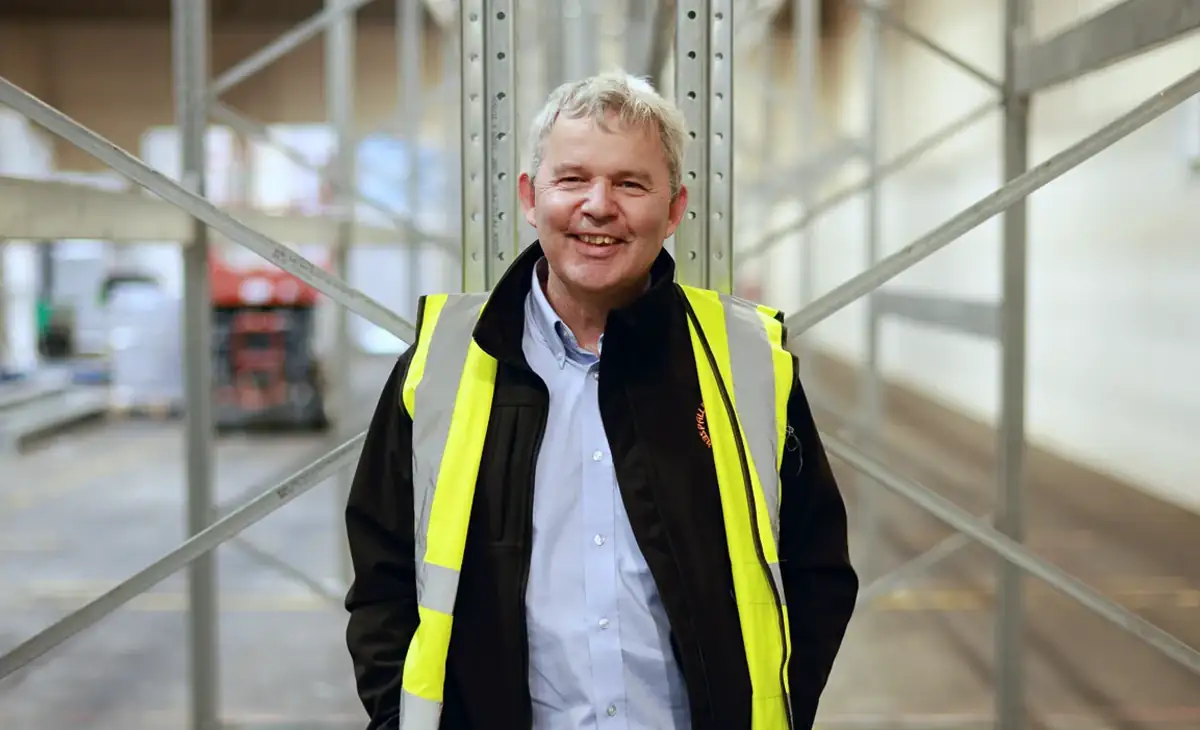
Director
Installation and inspection. David runs site delivery to SEIRS registered practice and manages the annual inspection programme for existing customers.
Health and safety competence independently assessed and audited annually through SafeContractor, which is what most procurement teams ask for before admitting a contractor.
Installation teams hold current registration under the Storage Equipment Installers Registration Scheme, so the people building the racking are trained to the standard the design assumes.
Design, installation and inspection follow SEMA guidance, including the codes covering the use, maintenance and inspection of storage equipment.
More than 35 years of combined industry experience across the three directors, with annual rack inspections carried out for customers as a statutory requirement.
An expert inspection is expected at least every 12 months, carried out by a technically competent person such as a SEMA Approved Rack Inspector. On top of that you are expected to appoint someone internally to carry out recorded visual checks at regular intervals, typically weekly, and to act immediately on any impact. Most operators only know about the annual inspection, which is why the internal records are the thing insurers find missing.
Counterbalance trucks typically need 3.5 to 4.2 metres, reach trucks 2.7 to 3.2 metres, reach trucks with telescopic forks 2.9 to 3.4 metres, articulated trucks 1.8 to 2.1 metres and guided narrow aisle trucks 1.6 to 1.9 metres. The figure is confirmed against your own fleet, mast type and load dimensions at survey, because a wider load or a longer fork carriage moves it.
A two-way shuttle retrofits into existing deep lane racking where the rail profile is compatible and the structure is rated for the loads. Four-way systems need cross travel lanes, an end of block lift and in-rack charging, so they generally cannot be retrofitted into racking that was not designed for them. Rail compatibility is verified on site before anything is quoted.
Used racking is legitimate capacity at a fraction of new cost provided three things hold: the components are structurally sound, they are matched to the system they are going into, and the finished configuration is designed and load rated properly rather than assembled from whatever was available. Components are not interchangeable between manufacturers, so we will not sell a mixed run.
Most racking and shelving installations run 4 to 8 weeks from order and are phased around a live operation, including out of hours and weekend working. Pallet shuttle systems run 12 to 16 weeks from order, longer for multi-level. Risk assessments, method statements and construction phase duty holder roles are agreed before anyone is on site.
The operator of the racking, not the supplier. You are expected to appoint a named person responsible for racking safety, keep records of their visual checks and retain the annual expert inspection report as audit evidence. Our awareness course exists to make that appointment defensible.
No charge, no obligation. You keep the measured drawing and the capacity figure either way.