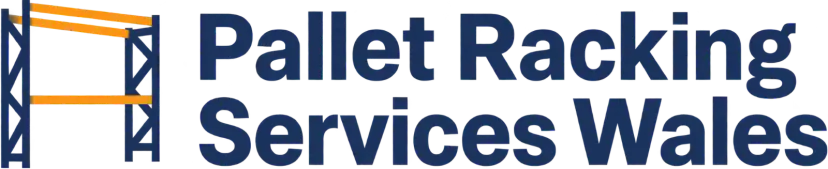
Coil racking with cradles for steel coil, Newport.
Steel coil moved off the floor and onto shaped cradles that stop rolling and spread the point load, accessed by coil ram.
Manufacturing and engineering · Coil racking and cradle storage · Newport
- Positions, before → after
- 72 cradle positionsBefore: 36 floor positions
- Floor area recovered
- 44%
- Installation
- 4 days
- Downtime avoided
- Phased over two weekends
The challenge.
- Coils were stored on the floor against timber chocks, single tier, which consumed floor area and relied on chocks staying in place.
- Floor storage made stock rotation difficult and left coil edges exposed to truck damage.
The constraints.
- Coil diameter, width and weight varied by grade, so the cradle had to suit a range.
- Handling was by counterbalance truck with a coil ram, which set the aisle width.
What we specified, and why.
Each line of the specification answers one part of the problem. Here is the reasoning, line by line.
- Heavy duty cradles on a racking structure
- Cylindrical loads cannot sit safely on a flat beam. A shaped cradle stops rolling and spreads the load.
- Two storage tiers
- Doubles the positions on the same footprint while keeping every coil individually accessible.
- Aisle set against the coil ram truck
- The truck and the longest coil set the working aisle, confirmed at survey.
Installation.
- Delivered over two weekends so production continued through the week.
- Load notices state the rated coil weight per cradle position, supplied from the design.
The outcome.
- Coils are now stored two high with no reliance on loose chocks.
- Grade rotation is visible at a glance because every coil has its own position.
Nothing rolls, nothing gets chocked by hand, and we got half the floor back.
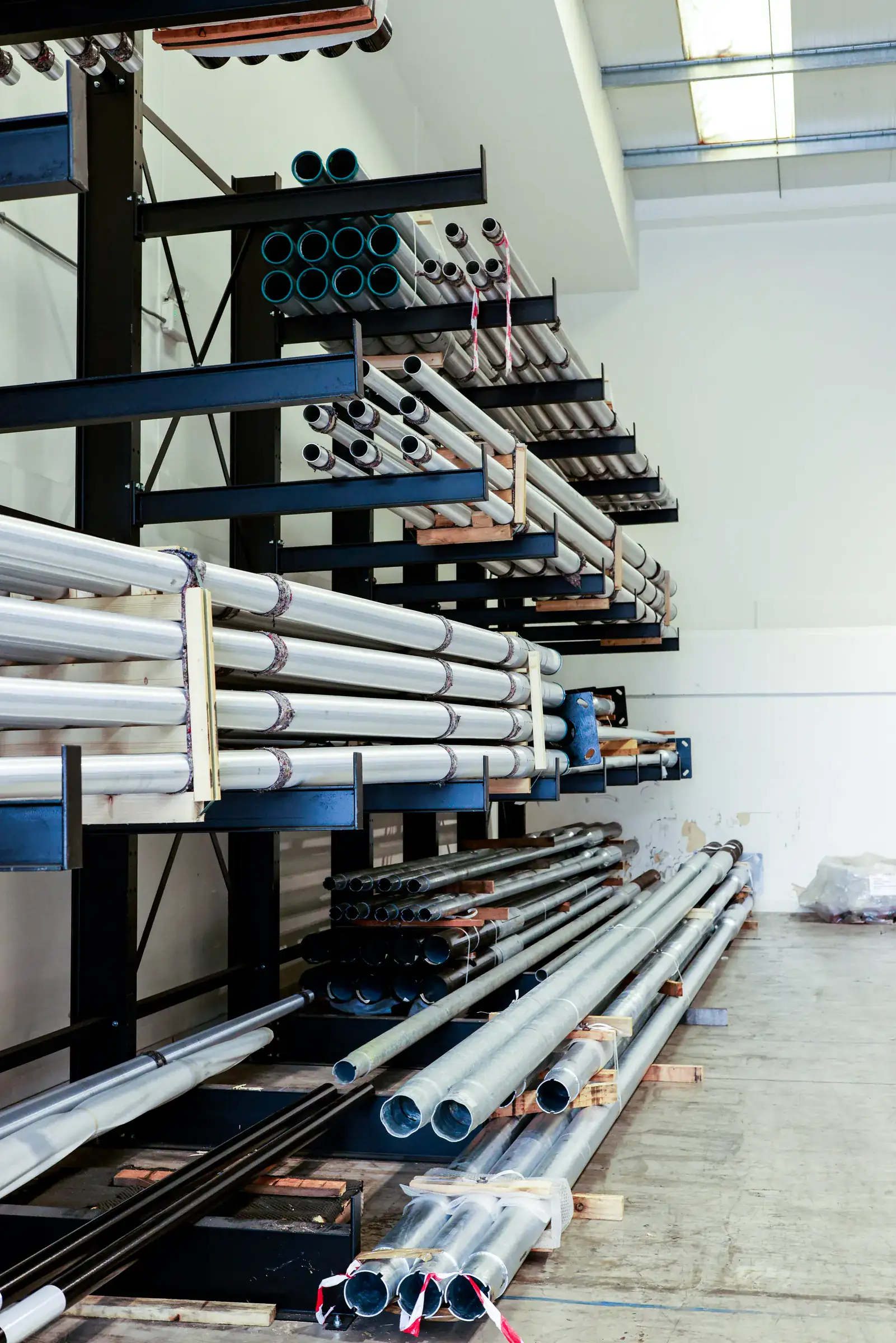
The system behind this project.
Related case studies.
Your building, measured. Your stock, counted.
Every project above started with a free site survey: a measured drawing, the stock profile, a CAD layout, a capacity figure and a priced quotation. No charge and no obligation.